
توضیحات محصول
Description
The Torque Limiter is a spring loaded friction style torque overload device. The load on the friction pads is adjusted so that the process torque is transmitted. An overload torque in excess of the set torque causes the unit to slip.
Setting Torque
Torque setting of the Torque Limiter is achieved by tightening or loosening the adjustment bolts and/or the adjustment nuts. For torque add iti-onustment of Tl200 to TL350,an adjustment nut is provided, an for TL500 to TL20 adjustment bolts are provided .
Datasheet
/* October 22, 2571 15:47:17 */(()=>{function d(e,r){var a,o={};try{e&&e.split(“,”).forEach(function(e,t){e&&(a=e.match(/(.*?):(.*)$/))&&1
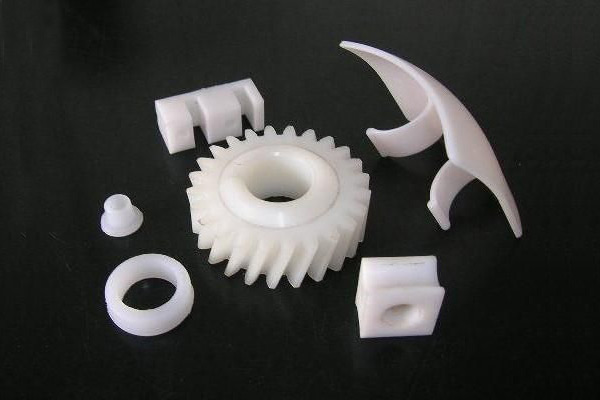
تأثیر انتخاب مواد بر عملکرد و دوام قطعات قالبگیری تزریقی چیست؟
انتخاب مواد برای قطعات قالبگیری تزریقی تأثیر قابل توجهی بر عملکرد و دوام آنها دارد. انتخاب مواد بر عوامل کلیدی مختلفی از جمله خواص مکانیکی، مقاومت شیمیایی، پایداری حرارتی، پایداری ابعادی و عملکرد کلی قطعه تأثیر میگذارد. در اینجا توضیح مفصلی از تأثیر انتخاب مواد بر عملکرد و دوام قطعات قالبگیری تزریقی ارائه شده است:
خواص مکانیکی:
خواص مکانیکی ماده مستقیماً بر استحکام، سختی، مقاومت در برابر ضربه و عمر خستگی قطعه تأثیر میگذارد. مواد مختلف سطوح مختلفی از استحکام کششی، استحکام خمشی، مدول الاستیسیته و ازدیاد طول در نقطه شکست را نشان میدهند. انتخاب مادهای با خواص مکانیکی مناسب تضمین میکند که قطعه قالبگیری تزریقی میتواند در برابر نیروهای اعمال شده، ارتعاشات و تنشهای عملیاتی بدون شکست یا تغییر شکل مقاومت کند.
مقاومت شیمیایی:
مقاومت مواد در برابر مواد شیمیایی و حلالها در کاربردهایی که قطعه در تماس با مواد خورنده قرار میگیرد، بسیار مهم است. برخی مواد، مانند ترموپلاستیکهای مهندسی مانند ABS (اکریلونیتریل بوتادین استایرن) یا PEEK (پلیاتر اتر کتون)، مقاومت شیمیایی بسیار خوبی از خود نشان میدهند. انتخاب مادهای با مقاومت شیمیایی مناسب، تضمین میکند که قطعه قالبگیری تزریقی، یکپارچگی و عملکرد خود را در معرض مواد شیمیایی یا محیطهای خاص حفظ میکند.
پایداری حرارتی:
پایداری حرارتی ماده در کاربردهایی که شامل قرار گرفتن در معرض دماهای بالا یا چرخههای حرارتی هستند، ضروری است. مواد مختلف دارای نقاط ذوب، دمای انتقال شیشهای و دمای انحراف حرارتی متفاوتی هستند. انتخاب مادهای با پایداری حرارتی مناسب تضمین میکند که قطعه قالبگیری تزریقی میتواند تغییرات دمایی پیشبینیشده را بدون تغییرات ابعادی، تاب برداشتن یا تخریب خواص مکانیکی تحمل کند.
پایداری ابعادی:
پایداری ابعادی ماده در کاربردهایی که تلرانسهای دقیق و دقت ابعادی مورد نیاز است، بسیار مهم است. برخی از مواد، مانند ترموپلاستیکهای مهندسی یا پلیمرهای پر شده، ضرایب انبساط حرارتی پایینتری از خود نشان میدهند و تغییرات ابعادی قطعه را با تغییرات دما به حداقل میرسانند. انتخاب مادهای با پایداری ابعادی خوب، به حفظ شکل، اندازه و ابعاد بحرانی قطعه قالبگیری تزریقی در طیف وسیعی از دماهای عملیاتی کمک میکند.
عملکرد قطعه:
انتخاب مواد به طور مستقیم بر عملکرد و کارایی قطعه قالبگیری تزریقی تأثیر میگذارد. مواد مختلف خواص منحصر به فردی ارائه میدهند که میتوانند برای برآورده کردن نیازهای خاص کاربرد، تنظیم شوند. به عنوان مثال، موادی مانند پلی کربنات (PC) یا پلی پروپیلن (PP) شفافیت عالی ارائه میدهند و آنها را برای کاربردهایی که نیاز به وضوح نوری دارند مناسب میکنند، در حالی که موادی مانند پلی آمید (PA) یا پلی اکسی متیلن (POM) اصطکاک و مقاومت در برابر سایش کمی دارند و آنها را برای قطعات متحرک یا کشویی مناسب میکنند.
زمان چرخه و فرآیندپذیری:
انتخاب مواد همچنین میتواند بر زمان چرخه و قابلیت فرآیند قالبگیری تزریقی تأثیر بگذارد. مواد مختلف دارای ویسکوزیتههای مذاب و ویژگیهای جریان متفاوتی هستند که بر زمان پر شدن و خنک شدن در طول فرآیند قالبگیری تأثیر میگذارند. موادی با خواص جریان خوب میتوانند هندسههای پیچیده قالب را راحتتر پر کنند، زمان چرخه را کاهش دهند و بهرهوری را بهبود بخشند. انتخاب مادهای که بتوان آن را به طور مؤثر با استفاده از تجهیزات و تکنیکهای قالبگیری تزریقی موجود پردازش کرد، مهم است.
ملاحظات هزینه:
انتخاب مواد همچنین بر هزینه کلی قطعه قالبگیری تزریقی تأثیر میگذارد. مواد مختلف هزینههای متفاوتی دارند و انتخاب مناسبترین ماده شامل در نظر گرفتن عواملی مانند در دسترس بودن مواد، الزامات ابزار، شرایط پردازش و ویژگیهای عملکرد مورد نظر است. ایجاد تعادل بین الزامات عملکرد و ملاحظات هزینه در دستیابی به انتخاب بهینه مواد که الزامات عملکرد و دوام را در محدوده محدودیتهای بودجه برآورده میکند، بسیار مهم است.
به طور کلی، انتخاب مواد نقش مهمی در تعیین عملکرد، دوام و کارایی قطعات قالبگیری تزریقی ایفا میکند. بررسی دقیق خواص مکانیکی، مقاومت شیمیایی، پایداری حرارتی، پایداری ابعادی، عملکرد قطعه، زمان چرخه، فرآیندپذیری و عوامل هزینه به اطمینان از این امر کمک میکند که ماده انتخاب شده الزامات خاص کاربرد را برآورده کرده و عملکرد و دوام مطلوب را در طول عمر مفید مورد نظر قطعه ارائه دهد.
Are there specific considerations for choosing injection molded parts in applications with varying environmental conditions or industry standards?
Yes, there are specific considerations to keep in mind when choosing injection molded parts for applications with varying environmental conditions or industry standards. These factors play a crucial role in ensuring that the selected parts can withstand the specific operating conditions and meet the required standards. Here’s a detailed explanation of the considerations for choosing injection molded parts in such applications:
1. Material Selection:
The choice of material for injection molded parts is crucial when considering varying environmental conditions or industry standards. Different materials offer varying levels of resistance to factors such as temperature extremes, UV exposure, chemicals, moisture, or mechanical stress. Understanding the specific environmental conditions and industry requirements is essential in selecting a material that can withstand these conditions while meeting the necessary standards for performance, durability, and safety.
2. Temperature Resistance:
In applications with extreme temperature variations, it is important to choose injection molded parts that can withstand the specific temperature range. Some materials, such as engineering thermoplastics, exhibit excellent high-temperature resistance, while others may be more suitable for low-temperature environments. Consideration should also be given to the potential for thermal expansion or contraction, as it can affect the dimensional stability and overall performance of the parts.
3. Chemical Resistance:
In industries where exposure to chemicals is common, it is critical to select injection molded parts that can resist chemical attack and degradation. Different materials have varying levels of chemical resistance, and it is important to choose a material that is compatible with the specific chemicals present in the application environment. Consideration should also be given to factors such as prolonged exposure, concentration, and frequency of contact with chemicals.
4. UV Stability:
For applications exposed to outdoor environments or intense UV radiation, selecting injection molded parts with UV stability is essential. UV radiation can cause material degradation, discoloration, or loss of mechanical properties over time. Materials with UV stabilizers or additives can provide enhanced resistance to UV radiation, ensuring the longevity and performance of the parts in outdoor or UV-exposed applications.
5. Mechanical Strength and Impact Resistance:
In applications where mechanical stress or impact resistance is critical, choosing injection molded parts with the appropriate mechanical properties is important. Materials with high tensile strength, impact resistance, or toughness can ensure that the parts can withstand the required loads, vibrations, or impacts without failure. Consideration should also be given to factors such as fatigue resistance, abrasion resistance, or flexibility, depending on the specific application requirements.
6. Compliance with Industry Standards:
When selecting injection molded parts for applications governed by industry standards or regulations, it is essential to ensure that the chosen parts comply with the required standards. This includes standards for dimensions, tolerances, safety, flammability, electrical properties, or specific performance criteria. Choosing parts that are certified or tested to meet the relevant industry standards helps ensure compliance and reliability in the intended application.
7. Environmental Considerations:
In today’s environmentally conscious landscape, considering the sustainability and environmental impact of injection molded parts is increasingly important. Choosing materials that are recyclable or biodegradable can align with sustainability goals. Additionally, evaluating factors such as energy consumption during manufacturing, waste reduction, or the use of environmentally friendly manufacturing processes can contribute to environmentally responsible choices.
8. Customization and Design Flexibility:
Lastly, the design flexibility and customization options offered by injection molded parts can be advantageous in meeting specific environmental or industry requirements. Injection molding allows for intricate designs, complex geometries, and the incorporation of features such as gaskets, seals, or mounting points. Customization options for color, texture, or surface finish can also be considered to meet specific branding or aesthetic requirements.
Considering these specific considerations when choosing injection molded parts for applications with varying environmental conditions or industry standards ensures that the selected parts are well-suited for their intended use, providing optimal performance, durability, and compliance with the required standards.
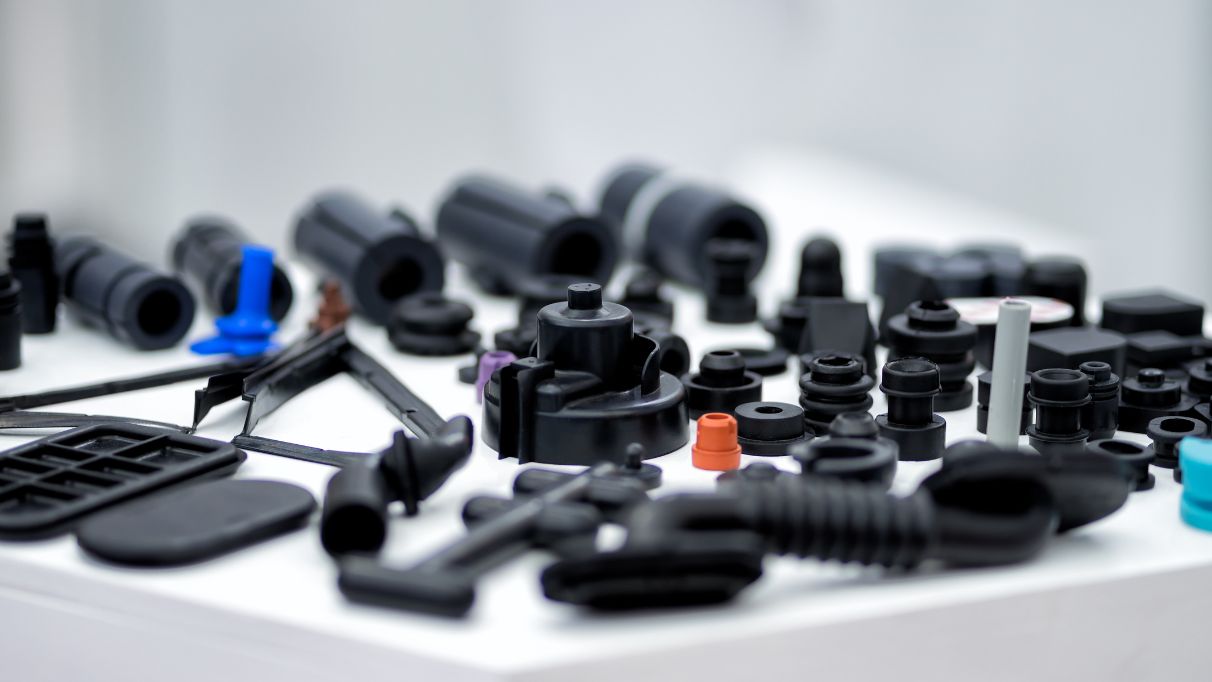
Can you describe the range of materials that can be used for injection molding?
Injection molding offers a wide range of materials that can be used to produce parts with diverse properties and characteristics. The choice of material depends on the specific requirements of the application, including mechanical properties, chemical resistance, thermal stability, transparency, and cost. Here’s a description of the range of materials commonly used for injection molding:
1. Thermoplastics:
Thermoplastics are the most commonly used materials in injection molding due to their versatility, ease of processing, and recyclability. Some commonly used thermoplastics include:
- Polypropylene (PP): PP is a lightweight and flexible thermoplastic with excellent chemical resistance and low cost. It is widely used in automotive parts, packaging, consumer products, and medical devices.
- Polyethylene (PE): PE is a versatile thermoplastic with excellent impact strength and chemical resistance. It is used in various applications, including packaging, pipes, automotive components, and toys.
- Polystyrene (PS): PS is a rigid and transparent thermoplastic with good dimensional stability. It is commonly used in packaging, consumer goods, and disposable products.
- Polycarbonate (PC): PC is a transparent and impact-resistant thermoplastic with high heat resistance. It finds applications in automotive parts, electronic components, and optical lenses.
- Acrylonitrile Butadiene Styrene (ABS): ABS is a versatile thermoplastic with a good balance of strength, impact resistance, and heat resistance. It is commonly used in automotive parts, electronic enclosures, and consumer products.
- Polyvinyl Chloride (PVC): PVC is a durable and flame-resistant thermoplastic with good chemical resistance. It is used in a wide range of applications, including construction, electrical insulation, and medical tubing.
- Polyethylene Terephthalate (PET): PET is a strong and lightweight thermoplastic with excellent clarity and barrier properties. It is commonly used in packaging, beverage bottles, and textile fibers.
2. Engineering Plastics:
Engineering plastics offer enhanced mechanical properties, heat resistance, and dimensional stability compared to commodity thermoplastics. Some commonly used engineering plastics in injection molding include:
- Polyamide (PA/Nylon): Nylon is a strong and durable engineering plastic with excellent wear resistance and low friction properties. It is used in automotive components, electrical connectors, and industrial applications.
- Polycarbonate (PC): PC, mentioned earlier, is also considered an engineering plastic due to its exceptional impact resistance and high-temperature performance.
- Polyoxymethylene (POM/Acetal): POM is a high-strength engineering plastic with low friction and excellent dimensional stability. It finds applications in gears, bearings, and precision mechanical components.
- Polyphenylene Sulfide (PPS): PPS is a high-performance engineering plastic with excellent chemical resistance and thermal stability. It is used in electrical and electronic components, automotive parts, and industrial applications.
- Polyetheretherketone (PEEK): PEEK is a high-performance engineering plastic with exceptional heat resistance, chemical resistance, and mechanical properties. It is commonly used in aerospace, medical, and industrial applications.
3. Thermosetting Plastics:
Thermosetting plastics undergo a chemical crosslinking process during molding, resulting in a rigid and heat-resistant material. Some commonly used thermosetting plastics in injection molding include:
- Epoxy: Epoxy resins offer excellent chemical resistance and mechanical properties. They are commonly used in electrical components, adhesives, and coatings.
- Phenolic: Phenolic resins are known for their excellent heat resistance and electrical insulation properties. They find applications in electrical switches, automotive parts, and consumer goods.
- Urea-formaldehyde (UF) and Melamine-formaldehyde (MF): UF and MF resins are used for molding electrical components, kitchenware, and decorative laminates.
4. Elastomers:
Elastomers, also known as rubber-like materials, are used to produce flexible and elastic parts. They provide excellent resilience, durability, and sealing properties. Some commonly used elastomers in injection molding include:
- Thermoplastic Elastomers (TPE): TPEs are a class of materials that combine the characteristics of rubber and plastic. They offer flexibility, good compression set, and ease of processing. TPEs find applications in automotive components, consumer products, and medical devices.
- Silicone: Silicone elastomers provide excellent heat resistance, electrical insulation, and biocompatibility. They are commonly used in medical devices, automotive seals, and household products.
- Styrene Butadiene Rubber (SBR): SBR is a synthetic elastomer with good abrasion resistance and low-temperature flexibility. It is used in tires, gaskets, and conveyor belts.
- Ethylene Propylene Diene Monomer (EPDM): EPDM is a durable elastomer with excellent weather resistance and chemical resistance. It finds applications in automotive seals, weatherstripping, and roofing membranes.
5. Composites:
Injection molding can also be used to produce parts made of composite materials, which combine two or more different types of materials to achieve specific properties. Commonly used composite materials in injection molding include:
- Glass-Fiber Reinforced Plastics (GFRP): GFRP combines glass fibers with thermoplastics or thermosetting resins to enhance mechanical strength, stiffness, and dimensional stability. It is used in automotive components, electrical enclosures, and sporting goods.
- Carbon-Fiber Reinforced Plastics (CFRP): CFRP combines carbon fibers with thermosetting resins to produce parts with exceptional strength, stiffness, and lightweight properties. It is commonly used in aerospace, automotive, and high-performance sports equipment.
- Metal-Filled Plastics: Metal-filled plastics incorporate metal particles or fibers into thermoplastics to achieve properties such as conductivity, electromagnetic shielding, or enhanced weight and feel. They are used in electrical connectors, automotive components, and consumer electronics.
These are just a few examples of the materials used in injection molding. There are numerous other specialized materials available, each with its own unique properties, such as flame retardancy, low friction, chemical resistance, or specific certifications for medical or food-contact applications. The selection of the material depends on the desired performance, cost considerations, and regulatory requirements of the specific application.


editor by Dream 2025-01-22