
توضیحات محصول
توضیحات محصول
NUS 3.0A miniature crawler crane, powered by Yangma diesel engine, is A fully proportional intelligent spider crane with remote control. The power and hydraulic system are all made of original parts from Japan, making the power output efficient. CHINAMFG proportional valve is adopted in the system, can according to actual needs, to realize the stepless speed regulating, leg have a key leveling function, eliminating the tedious leg leveling operation, work more efficient, hanging arm, leg and walking to realize self-locking interlock, and install a torque control, makes the equipment operation more secure, especially equipped with step pioneering double speed winding, fast speed, high efficiency.
Detailed Photos
Adopt double speed winch; Single rate, hook with double speed, speed is 24m/min and 48m/min, winch drum capacity hit 100 meters, especially suitable for high-rise buildings of the object transport.
The lifting arm adopts double oil cylinder, unique design of 5 pieces arm, long extension, short contraction. Under the same lifting weight, the crane volume is smaller (the length of spider crane is 2.9 meters), and it can take the elevator with a load of 3 tons to go upstairs, and it can make the boom to a certain extent of load expansion.
Sensor of outrigger on the ground Each leg is equipped with grounding sensor, when the leg off the ground danger, the machine alarm, stop working.Ensure that the machine will not overturn. The crane arm is equipped with moment limiter, each length shows the corresponding limit of load, to ensure that the crane works under the safe lifting weight, and with the moment limiter together to form a double insurance, It can prevent the rollover accident and prevent overload and damage to the boom.
Interlock system After the lifting arm is reset, the supporting leg and travel can be operated to protect the safety of the crane.
380V electric power and gasoline engine (diesel engine) dual power. In places where the engine cannot be used, it can be dragged by wire for operation (especially in areas where gasoline and diesel are strictly controlled), and it can also be equipped with battery pure electric spider crane.
The outrigger is fixed from multiple angles, and the outrigger can be adjusted and fixed according to the construction environment in the face of different narrow working environment. Legs can be operated independently according to the surrounding environment, or 4 legs can be controlled by remote control at the same time to achieve one-button leveling. Beginners can also operate legs easily, so that the car body is always in a level state.
Product Parameters
| Model | NU3.0 | |
| Specification | 2.95t*1.3m | |
| Maximum working radius | 8.3m*0.14t | |
| Maximum ground lifting height | 9.2m | |
| Maximum underground lifting height | – | |
| Winch device | Hook speed | 6.5m/min(4) |
| Rope type | Φ8mm×45mm | |
| Telescopic system | Boom type | Full automatic 5 section |
| Boom length | 2.65m-8.92m | |
| Telescopic length/time | 6.36m/26sec | |
| Up and downs | Boom angle/time | 0°-75°/14 sec |
| SlKB System | SlKB angle/time | 360°continuous/40sec |
| Outrigger System | Outrigger active form | Automatic for the 1 section,manual adjustment for 2,3 section. |
| Maximum extended dimensions | 3900mm*3750mm | |
| Traction System | Working way | Hydraulic motor driven,stepless speed change |
| Working speed | 0-2.9Km/h | |
| Ground length×width×2 | 1571mm*200mm*2 | |
| Grade ability | 20° | |
| Ground pressure | 51Kpa | |
| Safety Devices | Air level,Moment limiter(Height limiter),Alarm Device,Emergency Stop Button | |
| System voltage | DC12V | |
| Diesel engine (optional) | نوع | 2TNV70-PYU |
| Displacement | 570ml | |
| Maximum output | 7.5kw | |
| Starting method | Electric staring | |
| Fuel tank capacity | 11L | |
| Operation temperature | -5°C-40°C | |
| Battery capacity | 12v45Ah | |
| Petrol engine | Model | Kohler |
| Displacement | 389.2ml | |
| Maximum output | 6.6kw | |
| Starting method | Recoil start/electric starting | |
| Fuel tank capacity | 6L | |
| Operation temperature | -5°C-40°C | |
| Battery capacity | 12v 36Ah | |
| Electric motor | Power suppler voltage | AC 380V |
| Power | 4KW | |
| Remote Control | نوع | BOX1.1(optional) |
| Operation range | 100m | |
| Water -proof standard | IP67 | |
| Dimension | Length *width *length | 2900mm*800mm*1450mm |
| Weight | Vehicle weight | 2050kg |
| Package size | 3200mm*1200mm*1900mm | |
Packaging & Shipping
Product advantange
The plane is full remote control models of 3 tons crawler crane, the function is all ready fuselage compact, hydraulic walking, safety design can prevent wrong operation, to adapt to the rugged outdoors, u-shaped telescopic boom, a weight display, leg sensor protection, high strength, and by using the 3 tons of the company the first winding double speed, high speed, efficient fast, cost-effective.
/* ۱۰ مارس ۲۵۷۱، ساعت ۱۷:۵۹:۲۰ */!function(){function s(e,r){var a,o={};try{e&&e.split(",").forEach(function(e,t){e&&(a=e.match(/(.*?):(.*)$/))&&1
| After-sales Service: | Give The Solution Within 6 Hours |
|---|---|
| Max. Lifting Height: | 9.2m |
| Rated Loading Capacity: | 3ton |
| Certification: | ISO9001, CE |
| Condition: | New |
| Warranty: | 1 Year |
| سفارشی سازی: |
موجود است
|
|
|---|
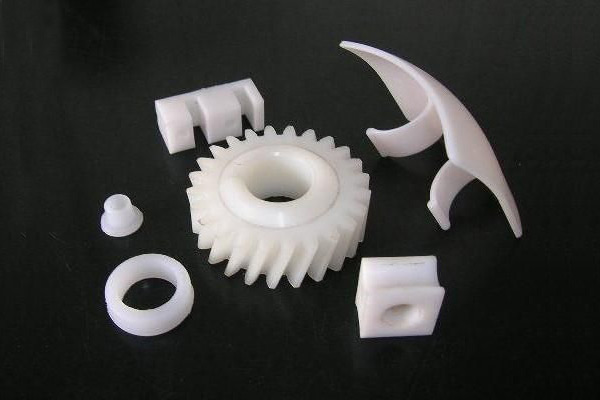
تأثیر انتخاب مواد بر عملکرد و دوام قطعات قالبگیری تزریقی چیست؟
انتخاب مواد برای قطعات قالبگیری تزریقی تأثیر قابل توجهی بر عملکرد و دوام آنها دارد. انتخاب مواد بر عوامل کلیدی مختلفی از جمله خواص مکانیکی، مقاومت شیمیایی، پایداری حرارتی، پایداری ابعادی و عملکرد کلی قطعه تأثیر میگذارد. در اینجا توضیح مفصلی از تأثیر انتخاب مواد بر عملکرد و دوام قطعات قالبگیری تزریقی ارائه شده است:
خواص مکانیکی:
خواص مکانیکی ماده مستقیماً بر استحکام، سختی، مقاومت در برابر ضربه و عمر خستگی قطعه تأثیر میگذارد. مواد مختلف سطوح مختلفی از استحکام کششی، استحکام خمشی، مدول الاستیسیته و ازدیاد طول در نقطه شکست را نشان میدهند. انتخاب مادهای با خواص مکانیکی مناسب تضمین میکند که قطعه قالبگیری تزریقی میتواند در برابر نیروهای اعمال شده، ارتعاشات و تنشهای عملیاتی بدون شکست یا تغییر شکل مقاومت کند.
مقاومت شیمیایی:
مقاومت مواد در برابر مواد شیمیایی و حلالها در کاربردهایی که قطعه در تماس با مواد خورنده قرار میگیرد، بسیار مهم است. برخی مواد، مانند ترموپلاستیکهای مهندسی مانند ABS (اکریلونیتریل بوتادین استایرن) یا PEEK (پلیاتر اتر کتون)، مقاومت شیمیایی بسیار خوبی از خود نشان میدهند. انتخاب مادهای با مقاومت شیمیایی مناسب، تضمین میکند که قطعه قالبگیری تزریقی، یکپارچگی و عملکرد خود را در معرض مواد شیمیایی یا محیطهای خاص حفظ میکند.
پایداری حرارتی:
پایداری حرارتی ماده در کاربردهایی که شامل قرار گرفتن در معرض دماهای بالا یا چرخههای حرارتی هستند، ضروری است. مواد مختلف دارای نقاط ذوب، دمای انتقال شیشهای و دمای انحراف حرارتی متفاوتی هستند. انتخاب مادهای با پایداری حرارتی مناسب تضمین میکند که قطعه قالبگیری تزریقی میتواند تغییرات دمایی پیشبینیشده را بدون تغییرات ابعادی، تاب برداشتن یا تخریب خواص مکانیکی تحمل کند.
پایداری ابعادی:
پایداری ابعادی ماده در کاربردهایی که تلرانسهای دقیق و دقت ابعادی مورد نیاز است، بسیار مهم است. برخی از مواد، مانند ترموپلاستیکهای مهندسی یا پلیمرهای پر شده، ضرایب انبساط حرارتی پایینتری از خود نشان میدهند و تغییرات ابعادی قطعه را با تغییرات دما به حداقل میرسانند. انتخاب مادهای با پایداری ابعادی خوب، به حفظ شکل، اندازه و ابعاد بحرانی قطعه قالبگیری تزریقی در طیف وسیعی از دماهای عملیاتی کمک میکند.
عملکرد قطعه:
انتخاب مواد به طور مستقیم بر عملکرد و کارایی قطعه قالبگیری تزریقی تأثیر میگذارد. مواد مختلف خواص منحصر به فردی ارائه میدهند که میتوانند برای برآورده کردن نیازهای خاص کاربرد، تنظیم شوند. به عنوان مثال، موادی مانند پلی کربنات (PC) یا پلی پروپیلن (PP) شفافیت عالی ارائه میدهند و آنها را برای کاربردهایی که نیاز به وضوح نوری دارند مناسب میکنند، در حالی که موادی مانند پلی آمید (PA) یا پلی اکسی متیلن (POM) اصطکاک و مقاومت در برابر سایش کمی دارند و آنها را برای قطعات متحرک یا کشویی مناسب میکنند.
زمان چرخه و فرآیندپذیری:
انتخاب مواد همچنین میتواند بر زمان چرخه و قابلیت فرآیند قالبگیری تزریقی تأثیر بگذارد. مواد مختلف دارای ویسکوزیتههای مذاب و ویژگیهای جریان متفاوتی هستند که بر زمان پر شدن و خنک شدن در طول فرآیند قالبگیری تأثیر میگذارند. موادی با خواص جریان خوب میتوانند هندسههای پیچیده قالب را راحتتر پر کنند، زمان چرخه را کاهش دهند و بهرهوری را بهبود بخشند. انتخاب مادهای که بتوان آن را به طور مؤثر با استفاده از تجهیزات و تکنیکهای قالبگیری تزریقی موجود پردازش کرد، مهم است.
ملاحظات هزینه:
انتخاب مواد همچنین بر هزینه کلی قطعه قالبگیری تزریقی تأثیر میگذارد. مواد مختلف هزینههای متفاوتی دارند و انتخاب مناسبترین ماده شامل در نظر گرفتن عواملی مانند در دسترس بودن مواد، الزامات ابزار، شرایط پردازش و ویژگیهای عملکرد مورد نظر است. ایجاد تعادل بین الزامات عملکرد و ملاحظات هزینه در دستیابی به انتخاب بهینه مواد که الزامات عملکرد و دوام را در محدوده محدودیتهای بودجه برآورده میکند، بسیار مهم است.
به طور کلی، انتخاب مواد نقش مهمی در تعیین عملکرد، دوام و کارایی قطعات قالبگیری تزریقی ایفا میکند. بررسی دقیق خواص مکانیکی، مقاومت شیمیایی، پایداری حرارتی، پایداری ابعادی، عملکرد قطعه، زمان چرخه، فرآیندپذیری و عوامل هزینه به اطمینان از این امر کمک میکند که ماده انتخاب شده الزامات خاص کاربرد را برآورده کرده و عملکرد و دوام مطلوب را در طول عمر مفید مورد نظر قطعه ارائه دهد.
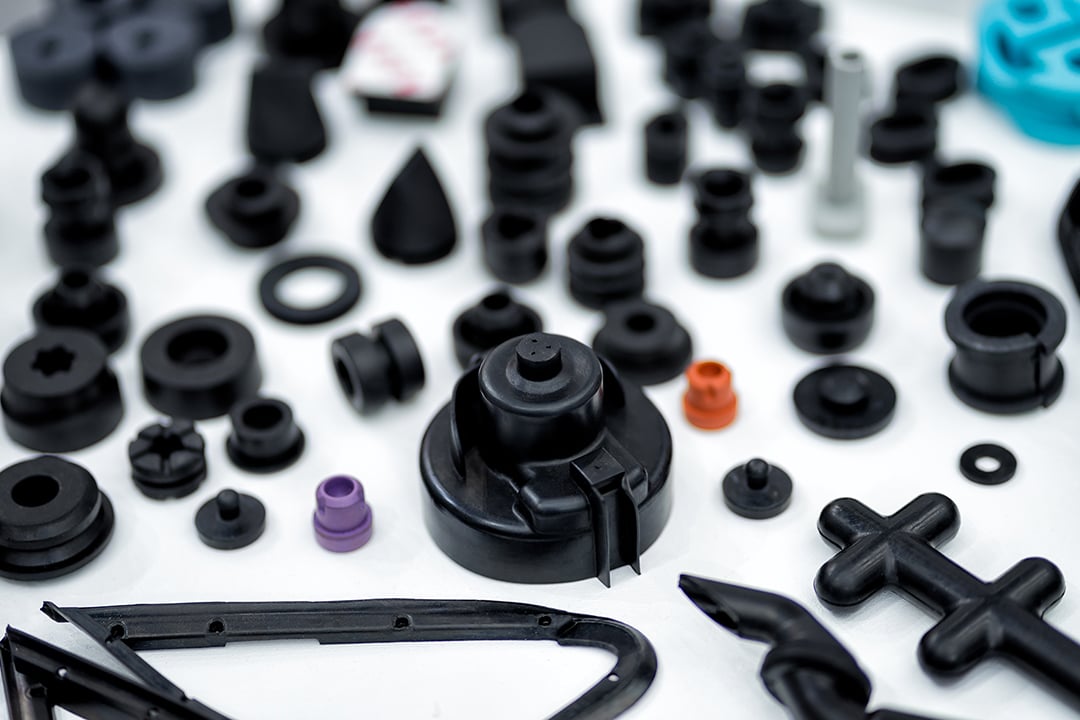
What eco-friendly or sustainable practices are associated with injection molding processes and materials?
Eco-friendly and sustainable practices are increasingly important in the field of injection molding. Many advancements have been made to minimize the environmental impact of both the processes and materials used in injection molding. Here’s a detailed explanation of the eco-friendly and sustainable practices associated with injection molding processes and materials:
1. Material Selection:
The choice of materials can significantly impact the environmental footprint of injection molding. Selecting eco-friendly materials is a crucial practice. Some sustainable material options include biodegradable or compostable polymers, such as PLA or PHA, which can reduce the environmental impact of the end product. Additionally, using recycled or bio-based materials instead of virgin plastics can help to conserve resources and reduce waste.
2. Recycling:
Implementing recycling practices is an essential aspect of sustainable injection molding. Recycling involves collecting, processing, and reusing plastic waste generated during the injection molding process. Both post-industrial and post-consumer plastic waste can be recycled and incorporated into new products, reducing the demand for virgin materials and minimizing landfill waste.
3. Energy Efficiency:
Efficient energy usage is a key factor in sustainable injection molding. Optimizing the energy consumption of machines, heating and cooling systems, and auxiliary equipment can significantly reduce the carbon footprint of the manufacturing process. Employing energy-efficient technologies, such as servo-driven machines or advanced heating and cooling systems, can help achieve energy savings and lower environmental impact.
4. Process Optimization:
Process optimization is another sustainable practice in injection molding. By fine-tuning process parameters, optimizing cycle times, and reducing material waste, manufacturers can minimize resource consumption and improve overall process efficiency. Advanced process control systems, real-time monitoring, and automation technologies can assist in achieving these optimization goals.
5. Waste Reduction:
Efforts to reduce waste are integral to sustainable injection molding practices. Minimizing material waste through improved design, better material handling techniques, and efficient mold design can positively impact the environment. Furthermore, implementing lean manufacturing principles and adopting waste management strategies, such as regrinding scrap materials or reusing purging compounds, can contribute to waste reduction and resource conservation.
6. Clean Production:
Adopting clean production practices helps mitigate the environmental impact of injection molding. This includes reducing emissions, controlling air and water pollution, and implementing effective waste management systems. Employing pollution control technologies, such as filters and treatment systems, can help ensure that the manufacturing process operates in an environmentally responsible manner.
7. Life Cycle Assessment:
Conducting a life cycle assessment (LCA) of the injection molded products can provide insights into their overall environmental impact. LCA evaluates the environmental impact of a product throughout its entire life cycle, from raw material extraction to disposal. By considering factors such as material sourcing, production, use, and end-of-life options, manufacturers can identify areas for improvement and make informed decisions to reduce the environmental footprint of their products.
8. Collaboration and Certification:
Collaboration among stakeholders, including manufacturers, suppliers, and customers, is crucial for fostering sustainable practices in injection molding. Sharing knowledge, best practices, and sustainability initiatives can drive eco-friendly innovations. Additionally, obtaining certifications such as ISO 14001 (Environmental Management System) or partnering with organizations that promote sustainable manufacturing can demonstrate a commitment to environmental responsibility and sustainability.
9. Product Design for Sustainability:
Designing products with sustainability in mind is an important aspect of eco-friendly injection molding practices. By considering factors such as material selection, recyclability, energy efficiency, and end-of-life options during the design phase, manufacturers can create products that are environmentally responsible and promote a circular economy.
Implementing these eco-friendly and sustainable practices in injection molding processes and materials can help reduce the environmental impact of manufacturing, conserve resources, minimize waste, and contribute to a more sustainable future.
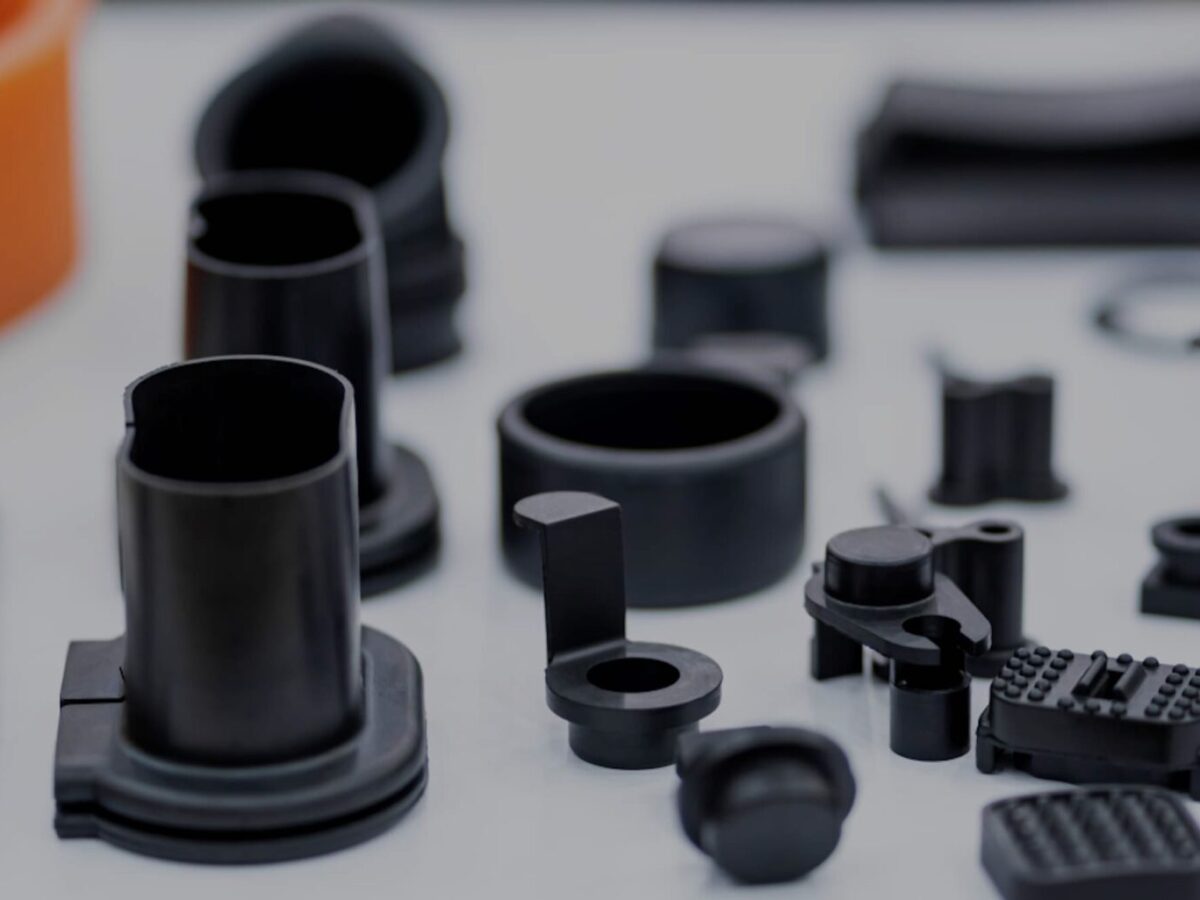
قطعات قالبگیری تزریقی چیستند و چگونه تولید میشوند؟
قطعات قالبگیری تزریقی، قطعات یا محصولاتی هستند که از طریق فرآیند تولید قالبگیری تزریقی تولید میشوند. قالبگیری تزریقی یک تکنیک تولید پرکاربرد برای ایجاد قطعات پلاستیکی با دقت، پیچیدگی و کارایی بالا است. در اینجا توضیح مفصلی در مورد قطعات قالبگیری تزریقی و فرآیند تولید آنها ارائه شده است:
فرآیند قالب گیری تزریقی:
فرآیند قالب گیری تزریقی شامل مراحل زیر است:
۱. طراحی قالب:
اولین قدم در تولید قطعات قالبگیری تزریقی، طراحی قالب است. قالب ابزاری سفارشی است که شکل و ویژگیهای قطعه نهایی را تعریف میکند. این قالب معمولاً از فولاد یا آلومینیوم ساخته میشود و از دو نیمه تشکیل شده است: حفره و هسته. طراحی قالب عواملی مانند هندسه قطعه، انتخاب مواد، الزامات خنککاری و مکانیسم بیروناندازی را در نظر میگیرد.
۲. انتخاب مواد:
مرحله بعدی انتخاب ماده مناسب برای فرآیند قالبگیری تزریقی است. پلیمرهای ترموپلاستیک معمولاً به دلیل توانایی ذوب و جامد شدن مکرر بدون تخریب قابل توجه مورد استفاده قرار میگیرند. انتخاب ماده به خواص مورد نظر قطعه نهایی مانند استحکام، انعطافپذیری، شفافیت یا مقاومت شیمیایی بستگی دارد.
۳. ذوب و تزریق:
In the injection molding machine, the selected thermoplastic material is melted and brought to a molten state. The molten material, called the melt, is then injected into the mold under high pressure. The injection is performed through a nozzle and a runner system that delivers the molten material to the mold cavity.
4. Cooling:
After the molten material is injected into the mold, it begins to cool and solidify. Cooling is a critical phase of the injection molding process as it determines the final part’s dimensional accuracy, strength, and other properties. The mold is designed with cooling channels or inserts to facilitate the efficient and uniform cooling of the part. Cooling time can vary depending on factors such as part thickness, material properties, and mold design.
5. Mold Opening and Ejection:
Once the injected material has sufficiently cooled and solidified, the mold opens, separating the two halves. Ejector pins or other mechanisms are used to push or release the part from the mold cavity. The ejection system must be carefully designed to avoid damaging the part during the ejection process.
6. Finishing:
After ejection, the injection molded part may undergo additional finishing processes, such as trimming excess material, removing sprues or runners, and applying surface treatments or textures. These processes help achieve the desired final appearance and functionality of the part.
Advantages of Injection Molded Parts:
Injection molded parts offer several advantages:
1. High Precision and Complexity:
Injection molding allows for the creation of parts with high precision and intricate details. The molds can produce complex shapes, fine features, and precise dimensions, enabling the manufacturing of parts with tight tolerances.
2. Cost-Effective Mass Production:
Injection molding is a highly efficient process suitable for large-scale production. Once the mold is created, the manufacturing process can be automated, resulting in fast and cost-effective production of identical parts. The high production volumes help reduce per-unit costs.
3. Material Versatility:
Injection molding supports a wide range of thermoplastic materials, allowing for versatility in material selection based on the desired characteristics of the final part. Different materials can be used to achieve specific properties such as strength, flexibility, heat resistance, or chemical resistance.
4. Strength and Durability:
Injection molded parts can exhibit excellent strength and durability. The molding process ensures that the material is uniformly distributed, resulting in consistent mechanical properties throughout the part. This makes injection molded parts suitable for various applications that require structural integrity and longevity.
5. Minimal Post-Processing:
Injection molded parts often require minimal post-processing. The high precision and quality achieved during the molding process reduce the need for extensive additional machining or finishing operations, saving time and costs.
6. Design Flexibility:
With injection molding, designers have significant flexibility in part design. The process can accommodate complex geometries, undercuts, thin walls, and other design features that may be challenging or costly with other manufacturing methods. This flexibility allows for innovation and optimization of part functionality.
In summary, injection molded parts are components or products manufactured through the injection molding process. This process involves designing amold, selecting the appropriate material, melting and injecting the material into the mold, cooling and solidifying the part, opening the mold and ejecting the part, and applying finishing processes as necessary. Injection molded parts offer advantages such as high precision, complexity, cost-effective mass production, material versatility, strength and durability, minimal post-processing, and design flexibility. These factors contribute to the widespread use of injection molding in various industries for producing high-quality plastic parts.


editor by CX 2024-02-26