
توضیحات محصول
توضیحات محصول
We are committed to using the most advanced technology and equipment to ensure that the PTO shafts we produce have excellent quality and reliability, to ensure that customers receive the best performance and service life. Our team is composed of experienced professionals who can tailor the PTO shaft to the customer’s needs to best meet their specific requirements.Product include wide angle-central body,wide angle-triangular tube yoke,wide angle-lemon tube yoke and wide angle-star tube yoke,We look CHINAMFG to working with you and manufacturing high-quality wide angle for you to help your project achieve greater success. If you have any questions about our , please feel free to contact us.
Here is our advantages when compare to similar products from China:
1.Forged yokes make PTO shafts strong enough for usage and working;
2.Internal sizes standard to confirm installation smooth;
3.CE and ISO certificates to guarantee to quality of our goods;
4.Strong and professional package to confirm the good situation when you receive the goods.
Product Specifications
Packaging & Shipping
Company Profile
HangZhou Hanon Technology Co.,ltd is a modern enterprise specilizing in the development,production,sales and services of Agricultural Parts like PTO shaft and Gearboxes and Hydraulic parts like Cylinder , Valve ,Gearpump and motor etc..
We adhere to the principle of ” High Quality, Customers’Satisfaction”, using advanced technology and equipments to ensure all the technical standards of transmission .We follow the principle of people first , trying our best to set up a pleasant surroundings and platform of performance for each employee. So everyone can be self-consciously active to join Hanon Machinery.
FAQ
1.WHAT’S THE PAYMENT TERM?
When we quote for you,we will confirm with you the way of transaction,FOB,CIFetc.<br> For mass production goods, you need to pay 30% deposit before producing and70% balance against copy of documents.The most common way is by T/T.
2.HOW TO DELIVER THE GOODS TO US?
Usually we will ship the goods to you by sea.
3.How long is your delivery time and shipment?
30-45days
| Type: | Wide Angle |
|---|---|
| Usage: | Agricultural Products Processing, Farmland Infrastructure, Tillage, Harvester, Planting and Fertilization, Grain Threshing, Cleaning and Drying, Pto Shaft |
| Material: | 45cr Steel |
| Power Source: | Pto Shaft |
| Weight: | 7-13kg |
| After-sales Service: | Online Support |
| Samples: |
US$ 20/Piece
1 Piece(Min.Order) | |
|---|
| سفارشی سازی: |
موجود است
|
|
|---|
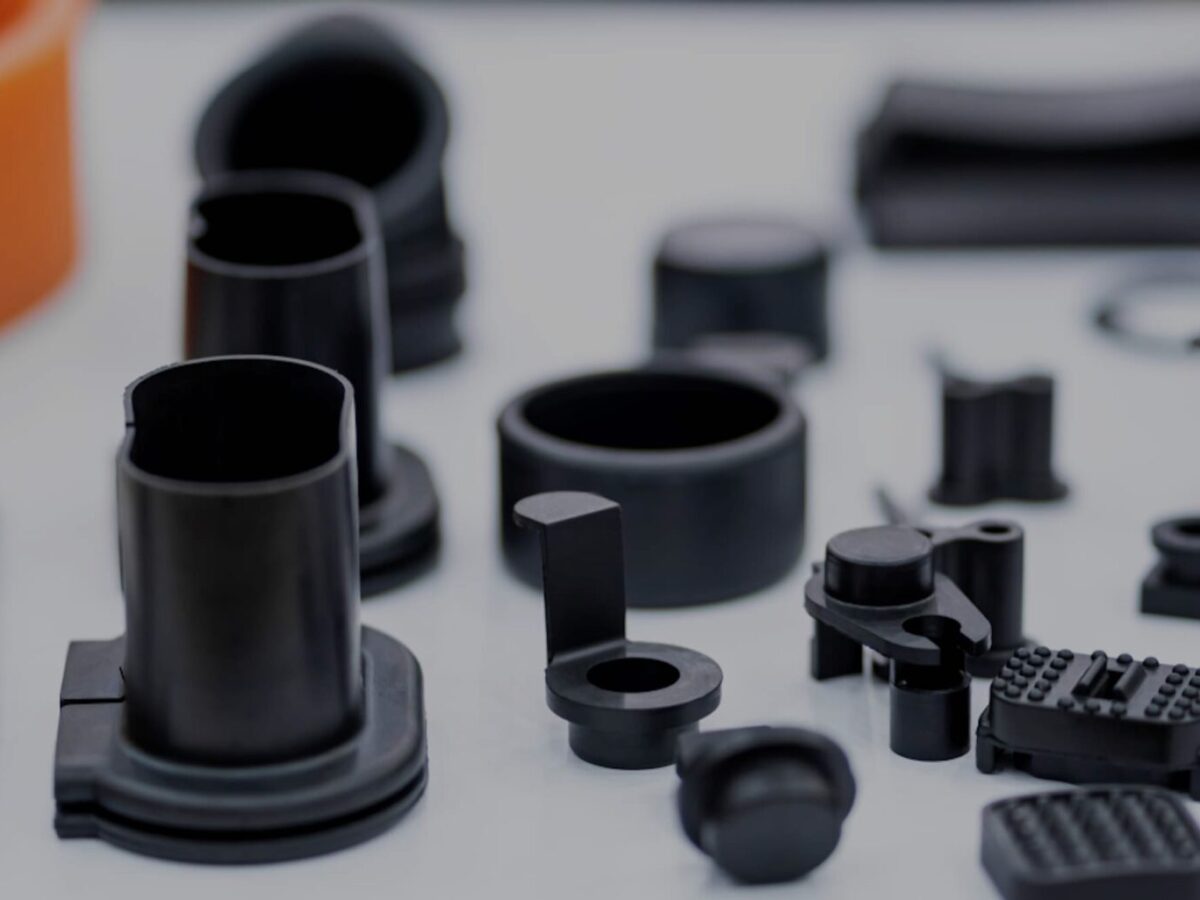
How does the injection molding process contribute to the production of high-precision parts?
The injection molding process is widely recognized for its ability to produce high-precision parts with consistent quality. Several factors contribute to the precision achieved through injection molding:
1. Tooling and Mold Design:
The design and construction of the injection mold play a crucial role in achieving high precision. The mold is typically made with precision machining techniques, ensuring accurate dimensions and tight tolerances. The mold design considers factors such as part shrinkage, cooling channels, gate location, and ejection mechanisms, all of which contribute to dimensional accuracy and part stability during the molding process.
2. Material Control:
Injection molding allows for precise control over the material used in the process. The molten plastic material is carefully measured and controlled, ensuring consistent material properties and reducing variations in the molded parts. This control over material parameters, such as melt temperature, viscosity, and fill rate, contributes to the production of high-precision parts with consistent dimensions and mechanical properties.
3. Injection Process Control:
The injection molding process involves injecting molten plastic into the mold cavity under high pressure. Advanced injection molding machines are equipped with precise control systems that regulate the injection speed, pressure, and time. These control systems ensure accurate and repeatable filling of the mold, minimizing variations in part dimensions and surface finish. The ability to finely tune and control these parameters contributes to the production of high-precision parts.
4. Cooling and Solidification:
Proper cooling and solidification of the injected plastic material are critical for achieving high precision. The cooling process is carefully controlled to ensure uniform cooling throughout the part and to minimize warping or distortion. Efficient cooling systems in the mold, such as cooling channels or conformal cooling, help maintain consistent temperatures and solidification rates, resulting in precise part dimensions and reduced internal stresses.
5. Automation and Robotics:
The use of automation and robotics in injection molding enhances precision and repeatability. Automated systems ensure consistent and precise handling of molds, inserts, and finished parts, reducing human errors and variations. Robots can perform tasks such as part removal, inspection, and assembly with high accuracy, contributing to the overall precision of the production process.
6. Process Monitoring and Quality Control:
Injection molding processes often incorporate advanced monitoring and quality control systems. These systems continuously monitor and analyze key process parameters, such as temperature, pressure, and cycle time, to detect any variations or deviations. Real-time feedback from these systems allows for adjustments and corrective actions, ensuring that the production remains within the desired tolerances and quality standards.
7. Post-Processing and Finishing:
After the injection molding process, post-processing and finishing techniques, such as trimming, deburring, and surface treatments, can further enhance the precision and aesthetics of the parts. These processes help remove any imperfections or excess material, ensuring that the final parts meet the specified dimensional and cosmetic requirements.
Collectively, the combination of precise tooling and mold design, material control, injection process control, cooling and solidification techniques, automation and robotics, process monitoring, and post-processing contribute to the production of high-precision parts through the injection molding process. The ability to consistently achieve tight tolerances, accurate dimensions, and excellent surface finish makes injection molding a preferred choice for applications that demand high precision.
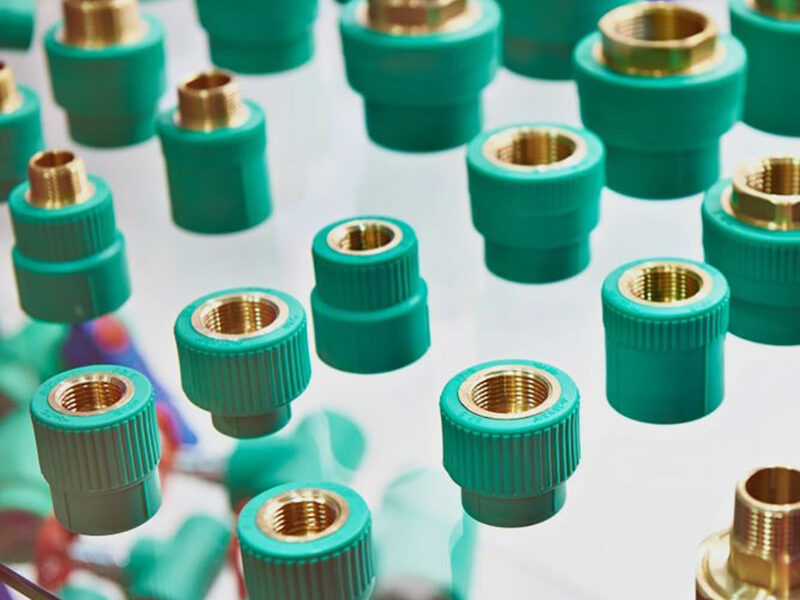
نوآوریها و پیشرفتها در فناوری قالبگیری تزریقی چگونه بر طراحی و تولید قطعات تأثیر میگذارند؟
نوآوریها و پیشرفتها در فناوری قالبگیری تزریقی تأثیر قابل توجهی بر طراحی و تولید قطعات دارند. این پیشرفتها قابلیتهای جدیدی را معرفی میکنند، کارایی فرآیند را افزایش میدهند، کیفیت قطعات را بهبود میبخشند و طیف کاربردهای قطعات قالبگیری تزریقی را گسترش میدهند. در اینجا توضیح مفصلی از چگونگی تأثیر نوآوریها و پیشرفتها در فناوری قالبگیری تزریقی بر طراحی و تولید قطعات ارائه شده است:
آزادی طراحی:
پیشرفتها در فناوری قالبگیری تزریقی، آزادی طراحی را برای طراحان قطعات افزایش داده است. با معرفی ابزارهای نرمافزاری پیشرفته، مانند طراحی به کمک کامپیوتر (CAD) و نرمافزارهای شبیهسازی، طراحان میتوانند هندسههای پیچیده، ویژگیهای پیچیده و طرحهای بسیار بهینه ایجاد کنند. استفاده از مدلسازی و شبیهسازی سهبعدی امکان شناسایی و حل مشکلات بالقوه طراحی را قبل از تولید فراهم میکند. این آزادی طراحی، تولید قطعات نوآورانه و بسیار کاربردی را که قبلاً تولید آنها با استفاده از تکنیکهای مرسوم چالشبرانگیز یا غیرممکن بود، امکانپذیر میسازد.
دقت و صحت بهبود یافته:
نوآوریها در فناوری قالبگیری تزریقی منجر به بهبود دقت و صحت در تولید قطعات شده است. قالبهای با دقت بالا، سیستمهای کنترل پیشرفته و مکانیسمهای بازخورد حلقه بسته، کنترل دقیق بر متغیرهای فرآیند قالبگیری مانند دما، فشار و خنکسازی را تضمین میکنند. این سطح از کنترل منجر به تولید قطعاتی با تلرانسهای دقیق، ابعاد ثابت و پرداختهای سطحی بهبود یافته میشود. دقت و صحت بیشتر، تولید قطعاتی را امکانپذیر میسازد که الزامات کیفی سختگیرانه را برآورده میکنند، به طور یکپارچه با سایر اجزا جفت میشوند و در کاربردهای مورد نظر خود عملکرد قابل اعتمادی دارند.
پیشرفتهای مادی:
توسعه مواد جدید و ترکیبات مواد که به طور خاص برای قالبگیری تزریقی فرموله شدهاند، طیف وسیعی از خواص موجود برای طراحان قطعات را گسترش داده است. نوآوریها در مواد شامل ترموپلاستیکهای مهندسی با کارایی بالا، پلیمرهای زیستی، کامپوزیتهای تقویتشده و مواد تخصصی با خواص منحصر به فرد است. این پیشرفتها امکان تولید قطعاتی با استحکام مکانیکی افزایشیافته، مقاومت شیمیایی بهبودیافته، مقاومت حرارتی برتر و ویژگیهای عملکردی سفارشی را فراهم میکنند. پیشرفتهای مواد در فناوری قالبگیری تزریقی، امکان ایجاد قطعاتی را فراهم میکند که میتوانند در برابر شرایط عملیاتی دشوار مقاومت کنند و الزامات خاص صنایع مختلف را برآورده سازند.
کارایی فرآیند:
نوآوریها در فناوری قالبگیری تزریقی، بهینهسازیهای فرآیندی را معرفی کردهاند که کارایی و بهرهوری را بهبود میبخشند. اتوماسیون پیشرفته، رباتیک و سیستمهای نظارت بلادرنگ، زمان چرخه سریعتر، کاهش نرخ ضایعات و افزایش توان تولید را ممکن میسازند. علاوه بر این، نوآوریهایی مانند قالبهای چند حفرهای، سیستمهای راهگاه گرم و تکنیکهای قالبگیری تزریقی میکرو، استفاده از مواد را بهبود بخشیده و هزینههای تولید را کاهش میدهند. افزایش کارایی فرآیند، امکان تولید اقتصادی قطعات با کیفیت بالا در مقادیر بیشتر را فراهم میکند و نیازهای صنایعی را که به تولید با حجم بالا نیاز دارند، برآورده میسازد.
قالبگیری روی هم و قالبگیری چند مادهای:
پیشرفتها در فناوری قالبگیری تزریقی، امکان ادغام چندین ماده یا قطعه را در یک قطعه واحد از طریق فرآیندهای قالبگیری روی هم یا قالبگیری چند مادهای فراهم کرده است. قالبگیری روی هم امکان کپسوله کردن قطعاتی مانند قطعات فلزی یا قطعات الکترونیکی را با یک ماده ترموپلاستیک در یک چرخه قالبگیری واحد فراهم میکند. این امر امکان ایجاد قطعاتی با عملکرد بهبود یافته، زیباییشناسی پیشرفته و مونتاژ ساده را فراهم میکند. تکنیکهای قالبگیری چند مادهای، مانند قالبگیری تزریقی همزمان یا قالبگیری تزریقی متوالی، امکان تولید قطعات با رنگهای متعدد، خواص مواد مختلف یا ترکیبات پیچیده مواد را فراهم میکند. این قابلیتها، امکانات طراحی را گسترش داده و امکان ایجاد قطعات نوآورانه با ویژگیها و مشخصات عملکردی منحصر به فرد را فراهم میکنند.
ادغام تولید افزایشی:
ادغام تولید افزایشی، که معمولاً به عنوان چاپ سهبعدی شناخته میشود، با فناوری قالبگیری تزریقی، امکانات جدیدی را برای طراحی و تولید قطعات فراهم کرده است. تولید افزایشی میتواند برای ایجاد هندسههای پیچیده قالب، کانالهای خنککننده تطبیقی یا درجهای سفارشی استفاده شود که کیفیت قطعه را افزایش میدهد، زمان چرخه را کاهش میدهد و عملکرد قطعه را بهبود میبخشد. با ترکیب تولید افزایشی و قالبگیری تزریقی، طراحان میتوانند مفاهیم طراحی جدید را بررسی کنند، نمونههای اولیه سریع تولید کنند و به طور کارآمد، تولیدات سفارشی یا کمحجم تولید کنند.
راهکارهای پایدار و سازگار با محیط زیست:
پیشرفتها در فناوری قالبگیری تزریقی همچنین بر پایداری و راهحلهای سازگار با محیط زیست متمرکز شدهاند. این شامل توسعه مواد زیستتخریبپذیر و کمپوستپذیر، فناوریهای بازیافت زبالههای پس از مصرف و پس از صنعت و فرآیندهای قالبگیری با بهرهوری انرژی میشود. این پیشرفتها امکان تولید قطعات سازگار با محیط زیست را فراهم میکنند که به کاهش ردپای کربن و دستیابی به اهداف پایداری کمک میکنند.
به طور کلی، نوآوریها و پیشرفتها در فناوری قالبگیری تزریقی، طراحی و تولید قطعات را متحول کرده است. این نوآوریها امکانات طراحی را گسترش داده، دقت و صحت را بهبود بخشیده، مواد جدیدی را معرفی کردهاند، کارایی فرآیند را افزایش دادهاند، قالبگیری روی هم و قالبگیری چند مادهای، تولید افزایشی یکپارچه و پایداری را ارتقا دادهاند. این پیشرفتها به طراحان و تولیدکنندگان قطعات این امکان را میدهد تا قطعات بسیار کاربردی، پیچیده و سفارشی ایجاد کنند که نیازهای صنایع مختلف را برآورده کرده و به کارایی و پایداری کلی فرآیند کمک میکند.
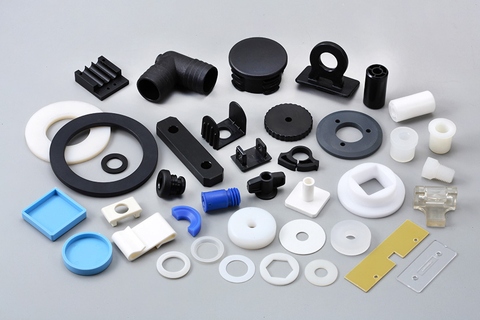
Can you explain the advantages of using injection molding for producing parts?
Injection molding offers several advantages as a manufacturing process for producing parts. It is a widely used technique for creating plastic components with high precision, efficiency, and scalability. Here’s a detailed explanation of the advantages of using injection molding:
1. High Precision and Complexity:
Injection molding allows for the production of parts with high precision and intricate details. The molds used in injection molding are capable of creating complex shapes, fine features, and precise dimensions. This level of precision enables the manufacturing of parts with tight tolerances, ensuring consistent quality and fit.
2. Cost-Effective Mass Production:
Injection molding is a highly efficient process suitable for large-scale production. Once the initial setup, including mold design and fabrication, is completed, the manufacturing process can be automated. Injection molding machines can produce parts rapidly and continuously, resulting in fast and cost-effective production of identical parts. The ability to produce parts in high volumes helps reduce per-unit costs, making injection molding economically advantageous for mass production.
3. Material Versatility:
Injection molding supports a wide range of thermoplastic materials, providing versatility in material selection based on the desired properties of the final part. Various types of plastics can be used in injection molding, including commodity plastics, engineering plastics, and high-performance plastics. Different materials can be chosen to achieve specific characteristics such as strength, flexibility, heat resistance, chemical resistance, or transparency.
4. Strength and Durability:
Injection molded parts can exhibit excellent strength and durability. During the injection molding process, the molten material is uniformly distributed within the mold, resulting in consistent mechanical properties throughout the part. This uniformity enhances the structural integrity of the part, making it suitable for applications that require strength and longevity.
5. Minimal Post-Processing:
Injection molded parts often require minimal post-processing. The high precision and quality achieved during the molding process reduce the need for extensive additional machining or finishing operations. The parts typically come out of the mold with the desired shape, surface finish, and dimensional accuracy, reducing time and costs associated with post-processing activities.
6. Design Flexibility:
Injection molding offers significant design flexibility. The process can accommodate complex geometries, intricate details, undercuts, thin walls, and other design features that may be challenging or costly with other manufacturing methods. Designers have the freedom to create parts with unique shapes and functional requirements. Injection molding also allows for the integration of multiple components or features into a single part, reducing assembly requirements and potential points of failure.
7. Rapid Prototyping:
Injection molding is also used for rapid prototyping. By quickly producing functional prototypes using the same process and materials as the final production parts, designers and engineers can evaluate the part’s form, fit, and function early in the development cycle. Rapid prototyping with injection molding enables faster iterations, reduces development time, and helps identify and address design issues before committing to full-scale production.
8. Environmental Considerations:
Injection molding can have environmental advantages compared to other manufacturing processes. The process generates minimal waste as the excess material can be recycled and reused. Injection molded parts also tend to be lightweight, which can contribute to energy savings during transportation and reduce the overall environmental impact.
In summary, injection molding offers several advantages for producing parts. It provides high precision and complexity, cost-effective mass production, material versatility, strength and durability, minimal post-processing requirements, design flexibility, rapid prototyping capabilities, and environmental considerations. These advantages make injection molding a highly desirable manufacturing process for a wide range of industries, enabling the production of high-quality plastic parts efficiently and economically.


editor by CX 2023-12-08