

China Best Sales Friction Torque Limiter Clutch Safety Coupling
The CTL type friction torque limiter is a high-quality safety coupling designed for overload protection. It is widely used in various industries, including the electronic equipment industry, automated production lines, and the conveyor industry.
Product Description
The CTL type friction torque limiter is a reliable safety coupling that prevents mechanical damage and expensive shutdown losses. It features a spring-loaded friction surface, allowing it to limit the torque transmitted by the transmission system in a slipping manner when the required torque exceeds the set value due to overload or mechanical failure. This ensures the safety and longevity of your machinery.
The connection between shafts is convenient, and it can compensate for installation errors between the two shafts. This makes the CTL type friction torque limiter easy to install and ensures accurate operation. Its adjustable sliding torque allows you to customize its performance according to your specific needs.
Our safety coupling, also known as a torque limiter or safety clutch, offers exceptional benefits. With its keyless shaft sleeve connection, it provides high torsional rigidity, low inertia moment, and a compact size. The separation torque is adjustable, allowing you to fine-tune the coupling’s performance to meet your requirements.
During overload situations, the safety coupling slips to limit torque, preventing mechanical damage. Once the overload situation disappears, it automatically restores the connection, ensuring uninterrupted operation. This feature is especially crucial for protecting high-speed and high-precision drive devices from overload damage.
In addition to overload protection, certain types of safety couplings can compensate for axial displacement, lateral displacement, and angular displacement of the shaft. This makes them perfect for applications that demand high performance, such as assembly lines, printing machinery, and packaging machinery.
Other Products and Businesses
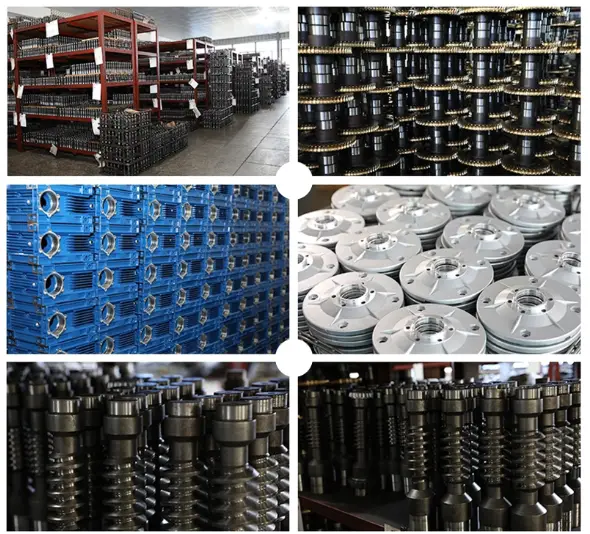
Our company specializes in supplying a wide range of industrial products to meet your specific needs. We offer agricultural gearboxes, power output shafts, sprockets, hydraulic couplings, worm gear reducers, racks, roller chains, pulleys, planetary gearboxes, timing pulleys, bushings, and more.
With our commitment to quality, competitive prices, and exceptional customer service, we take pride in offering high-quality products that meet the highest industry standards. We welcome customers to customize products based on their drawings and samples, ensuring that their requirements are met precisely.
Frequently Asked Questions
1. What are the main applications of the CTL type friction torque limiter?
2. How does the safety coupling protect machinery from overload damage?
3. Can the safety coupling compensate for shaft misalignments?
4. What industries can benefit from using a safety coupling?
5. How can I customize the safety coupling to suit my specific needs?
Performance Characteristics of Torque Limiter
Torque limiter is a crucial component in machinery and equipment, providing vital protection against excessive torque. Understanding its performance characteristics is essential for optimizing its usage. Here are the key features of torque limiters:
1. Overload Protection: Torque limiters are designed to prevent damage caused by overload situations. They automatically disengage when the torque exceeds a preset limit, safeguarding the equipment from potential harm.
2. Instantaneous Response: Torque limiters offer quick and precise disengagement, ensuring immediate protection upon torque overload detection. This rapid response helps minimize downtime and reduce the risk of equipment failure.
3. Adjustable Torque Levels: These limiters allow flexibility in setting the desired torque level. By adjusting the torque setting, users can align the torque limiter with specific application requirements, ensuring optimal performance.
4. Re-Engagement Capability: Torque limiters are engineered with the ability to re-engage once the overload condition has been resolved. This feature helps enhance operational efficiency and allows for uninterrupted workflow.
Types and Characteristics of Torque Limiter
Torque limiters come in various types, each tailored to specific applications. Understanding the different types and their characteristics is crucial for selecting the right torque limiter. Here are some common types:
1. Friction Torque Limiters: These limiters utilize friction surfaces to transmit torque. They offer smooth disengagement and are suitable for applications requiring precise torque control.
2. Ball Detent Torque Limiters: In this type, balls located within detents transmit torque. They provide accurate and repeatable torque control, making them ideal for applications where consistent engagement and disengagement are required.
3. Shear Pin Torque Limiters: These limiters utilize shear pins that break under excessive torque, instantly disengaging the system. They are cost-effective and easy to reset after overload situations.
4. Magnetic Torque Limiters: Magnetic torque limiters use magnetic forces to transmit torque. They offer adjustable torque levels and high precision, making them suitable for applications requiring precise torque control.
Advantages of Torque Limiter Materials
Torque limiters can be constructed using different materials, each offering distinct advantages. Here are some common materials and their benefits:
1. Steel: Torque limiters made of steel provide excellent strength and durability, making them suitable for heavy-duty applications. They can withstand high torque loads and offer long-lasting performance.
2. Aluminum: Torque limiters crafted from aluminum are lightweight, which makes them advantageous for applications where weight reduction is critical. Additionally, aluminum limiters offer corrosion resistance, making them suitable for outdoor use.
3. Composite Materials: Torque limiters incorporating composite materials provide a combination of strength, lightness, and corrosion resistance. They are ideal for applications where a balance of these properties is crucial.
Applications of Torque Limiter
The versatility of torque limiters is evident in their wide range of applications across various industries. Some notable fields where torque limiters play a vital role include:
– Conveyors: Torque limiters ensure optimal performance and protect conveyors from damage caused by excessive loads or blockages.
– Agricultural Machinery: These limiters safeguard agricultural equipment from damage due to unexpected loads or obstructions, enhancing operational efficiency.
– Wind Turbines: Torque limiters are vital in wind turbines, protecting the components from excessive loads caused by gusts of wind, ensuring safe and reliable operation.
– Packaging Equipment: Torque limiters prevent damage to packaging machinery caused by jams or overloads, minimizing downtime and improving productivity.
– Marine Applications: Torque limiters are crucial in marine propulsion systems, protecting the engine and drive components from excessive loads and sudden changes in torque.
The wide application of torque limiters in various fields underscores their value and importance in ensuring efficient and reliable operation.

Future Development Trends and Opportunities
The future of torque limiter products holds promising potential for advancement. Some emerging trends and opportunities include:
1. Integration with Smart Systems: Torque limiters can be integrated with smart systems and sensors to provide real-time monitoring and data analysis. This integration enhances equipment performance and enables predictive maintenance.
2. Enhanced Customization: With evolving technologies, torque limiters can be customized to specific application requirements. This customization ensures optimal performance and maximizes the efficiency of machinery and equipment.
3. Improved Compactness: Advances in materials and design allow for more compact torque limiters without compromising performance. This trend enables the incorporation of torque limiters into space-constrained systems.
As the industry continues to innovate, torque limiters are poised to play a crucial role in enhancing the performance, safety, and reliability of machinery and equipment.
Choosing a Suitable Torque Limiter
Selecting the right torque limiter is essential for ensuring proper functionality and optimal performance. Consider the following aspects when choosing a suitable torque limiter:
1. Understand the Application: Evaluate the specific requirements and operating conditions of the application to determine the torque limiter’s necessary features and capabilities.
2. Determine Torque Requirements: Calculate or estimate the torque levels that the application may encounter. This information will help determine the appropriate torque limiter capacity.
3. Consider the Type of Torque Limiter: Select the type of torque limiter that aligns with the application’s needs, considering factors such as precision, response time, and disengagement characteristics.
4. Integration with the System: Ensure that the torque limiter can seamlessly integrate into the existing system without complications or modifications.
5. Check Load and Speed Conditions: Assess the load and speed conditions of the application to verify that the selected torque limiter can withstand these requirements.
Summary
Torque limiters are essential components that protect machinery and equipment from damage caused by excessive torque. Understanding their performance characteristics, types, advantages of different materials, and applications is crucial for their effective usage. Additionally, considering the future development trends and opportunities, and knowing how to choose the right torque limiter, ensures optimal performance and safety in various industries.
Author: Dream
All the content of this page is from the Internet and is provided only as a reference for product selection. Our products are replacement parts and not original spare parts. We are not the holder of the original trademarks mentioned in the content. Our replacement parts are perfectly adapted to the original spare parts. If you need to buy original spare parts, please contact the original factory for purchase.