
Penerangan Produk
Transmission Shaft PTO Shaft for agricultural machine
Durable Transmission Shaft Made of aluminum alloy with excellent quality and carefully selected materials,the hot head greatly extends its service life.
Application Scope for PTO Shafts
Various types of agricultural machinery transmission shafts, with a wide range of product uses, which are mainly suitable for agricultural tractors,micro tillers,rotary tillers,seeders,fertilizer spreaders,lawn mowers,baling machines,grass bales and so on.
| Series | D(mm) | W(mm) | 540 | 1000 | ||||
| CV | KW | NM | CV | KW | NM | |||
| 1S | 22.0 | 54.0 | 16 | 12 | 210 | 25 | 18 | 172 |
| 2S | 23.8 | 61.3 | 21 | 15 | 270 | 31 | 23 | 220 |
| 3S | 27.0 | 70.0 | 30 | 22 | 390 | 47 | 35 | 330 |
| 4S | 27.0 | 74.6 | 35 | 26 | 460 | 55 | 40 | 380 |
| 5S | 30.2 | 80.0 | 47 | 35 | 620 | 74 | 54 | 520 |
| 6S | 30.2 | 92.0 | 64 | 47 | 830 | 100 | 74 | 710 |
| 7S | 30.2 | 106.5 | 75 | 55 | 970 | 118 | 87 | 830 |
| 8S | 35.0 | 106.5 | 95 | 70 | 1240 | 150 | 110 | 1050 |
| 9S | 41.0 | 108.0 | 120 | 88 | 1560 | 190 | 140 | 1340 |
Company Profile
Shuoxin, Sure thing.
ZheJiang Shuoxin Machinery Manufacturing Co., Ltd has been in the agricultural machinery industry for more than 30 years, the product range covering spraying machines, fertilizer spreaders, manure spreaders, mowers, rakes, land levellers and so on. In the 30 years’ service for agriculture field, Shuoxin has grown into an enterprise that integrates multiple business modules such as Design, Manufacture, Service and Information Survey. Shuoxin agricultural machinery have done a important work to nutrition supply and plant diseases & insect pests control for crops such as wheat, cotton, corn, rice, orchards and vegetables. With the ISO System certificates and CE production certificates, Cooperating with Shuixin can guarantee the partners with advanced machine products, reduced labor cost, improved work efficiency and promoted product revenue.
Certifications
Product packaging
Iron Farme Packing
All the machines are fixed in the Iron Frame by steel wire, the Frame use the steel which is thicker than 3mm. Strong enough to carry and protect the machine.
Black plastic film will also protect the machine from rain and sun shine.
All the frames is welded according to the machine size, to make sure the minimum size and weight.
/* January 22, 2571 19:08:37 */!function(){function s(e,r){var a,o={};try{e&&e.split(“,”).forEach(function(e,t){e&&(a=e.match(/(.*?):(.*)$/))&&1
| Type: | Shaft |
|---|---|
| Usage: | Tillage, Harvester, Planting and Fertilization |
| Material: | Iron |
| Power Source: | Tractor |
| Weight: | 6kg |
| Perkhidmatan selepas jualan: | Online Service |
| Penyesuaian: |
Tersedia
|
|
|---|
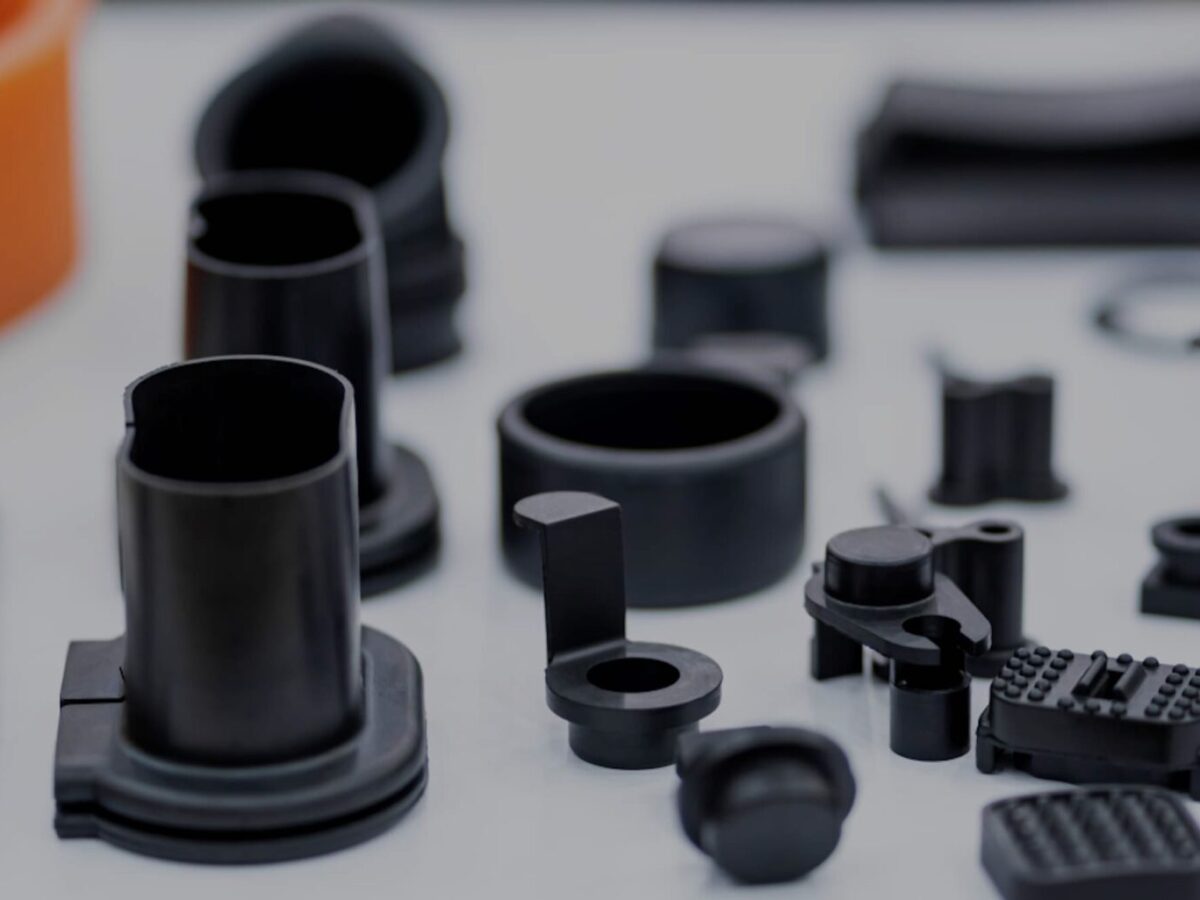
How does the injection molding process contribute to the production of high-precision parts?
The injection molding process is widely recognized for its ability to produce high-precision parts with consistent quality. Several factors contribute to the precision achieved through injection molding:
1. Tooling and Mold Design:
The design and construction of the injection mold play a crucial role in achieving high precision. The mold is typically made with precision machining techniques, ensuring accurate dimensions and tight tolerances. The mold design considers factors such as part shrinkage, cooling channels, gate location, and ejection mechanisms, all of which contribute to dimensional accuracy and part stability during the molding process.
2. Material Control:
Injection molding allows for precise control over the material used in the process. The molten plastic material is carefully measured and controlled, ensuring consistent material properties and reducing variations in the molded parts. This control over material parameters, such as melt temperature, viscosity, and fill rate, contributes to the production of high-precision parts with consistent dimensions and mechanical properties.
3. Injection Process Control:
The injection molding process involves injecting molten plastic into the mold cavity under high pressure. Advanced injection molding machines are equipped with precise control systems that regulate the injection speed, pressure, and time. These control systems ensure accurate and repeatable filling of the mold, minimizing variations in part dimensions and surface finish. The ability to finely tune and control these parameters contributes to the production of high-precision parts.
4. Cooling and Solidification:
Proper cooling and solidification of the injected plastic material are critical for achieving high precision. The cooling process is carefully controlled to ensure uniform cooling throughout the part and to minimize warping or distortion. Efficient cooling systems in the mold, such as cooling channels or conformal cooling, help maintain consistent temperatures and solidification rates, resulting in precise part dimensions and reduced internal stresses.
5. Automation and Robotics:
The use of automation and robotics in injection molding enhances precision and repeatability. Automated systems ensure consistent and precise handling of molds, inserts, and finished parts, reducing human errors and variations. Robots can perform tasks such as part removal, inspection, and assembly with high accuracy, contributing to the overall precision of the production process.
6. Process Monitoring and Quality Control:
Injection molding processes often incorporate advanced monitoring and quality control systems. These systems continuously monitor and analyze key process parameters, such as temperature, pressure, and cycle time, to detect any variations or deviations. Real-time feedback from these systems allows for adjustments and corrective actions, ensuring that the production remains within the desired tolerances and quality standards.
7. Post-Processing and Finishing:
After the injection molding process, post-processing and finishing techniques, such as trimming, deburring, and surface treatments, can further enhance the precision and aesthetics of the parts. These processes help remove any imperfections or excess material, ensuring that the final parts meet the specified dimensional and cosmetic requirements.
Collectively, the combination of precise tooling and mold design, material control, injection process control, cooling and solidification techniques, automation and robotics, process monitoring, and post-processing contribute to the production of high-precision parts through the injection molding process. The ability to consistently achieve tight tolerances, accurate dimensions, and excellent surface finish makes injection molding a preferred choice for applications that demand high precision.
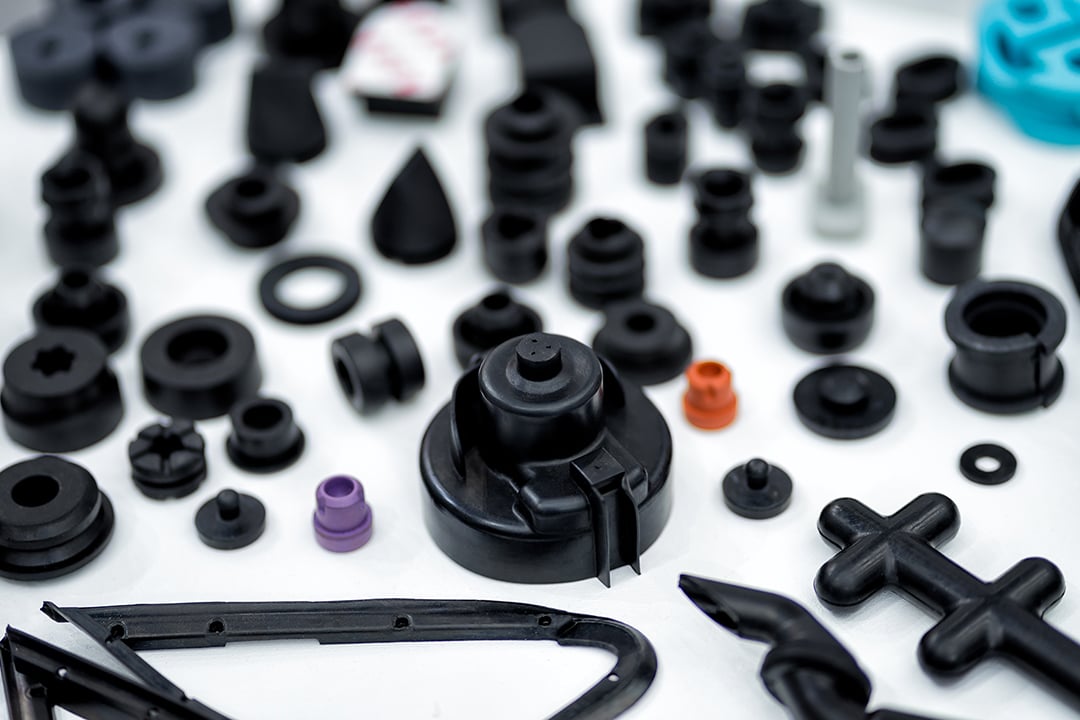
What eco-friendly or sustainable practices are associated with injection molding processes and materials?
Eco-friendly and sustainable practices are increasingly important in the field of injection molding. Many advancements have been made to minimize the environmental impact of both the processes and materials used in injection molding. Here’s a detailed explanation of the eco-friendly and sustainable practices associated with injection molding processes and materials:
1. Pemilihan Bahan:
The choice of materials can significantly impact the environmental footprint of injection molding. Selecting eco-friendly materials is a crucial practice. Some sustainable material options include biodegradable or compostable polymers, such as PLA or PHA, which can reduce the environmental impact of the end product. Additionally, using recycled or bio-based materials instead of virgin plastics can help to conserve resources and reduce waste.
2. Recycling:
Implementing recycling practices is an essential aspect of sustainable injection molding. Recycling involves collecting, processing, and reusing plastic waste generated during the injection molding process. Both post-industrial and post-consumer plastic waste can be recycled and incorporated into new products, reducing the demand for virgin materials and minimizing landfill waste.
3. Energy Efficiency:
Efficient energy usage is a key factor in sustainable injection molding. Optimizing the energy consumption of machines, heating and cooling systems, and auxiliary equipment can significantly reduce the carbon footprint of the manufacturing process. Employing energy-efficient technologies, such as servo-driven machines or advanced heating and cooling systems, can help achieve energy savings and lower environmental impact.
4. Process Optimization:
Process optimization is another sustainable practice in injection molding. By fine-tuning process parameters, optimizing cycle times, and reducing material waste, manufacturers can minimize resource consumption and improve overall process efficiency. Advanced process control systems, real-time monitoring, and automation technologies can assist in achieving these optimization goals.
5. Waste Reduction:
Efforts to reduce waste are integral to sustainable injection molding practices. Minimizing material waste through improved design, better material handling techniques, and efficient mold design can positively impact the environment. Furthermore, implementing lean manufacturing principles and adopting waste management strategies, such as regrinding scrap materials or reusing purging compounds, can contribute to waste reduction and resource conservation.
6. Clean Production:
Adopting clean production practices helps mitigate the environmental impact of injection molding. This includes reducing emissions, controlling air and water pollution, and implementing effective waste management systems. Employing pollution control technologies, such as filters and treatment systems, can help ensure that the manufacturing process operates in an environmentally responsible manner.
7. Life Cycle Assessment:
Conducting a life cycle assessment (LCA) of the injection molded products can provide insights into their overall environmental impact. LCA evaluates the environmental impact of a product throughout its entire life cycle, from raw material extraction to disposal. By considering factors such as material sourcing, production, use, and end-of-life options, manufacturers can identify areas for improvement and make informed decisions to reduce the environmental footprint of their products.
8. Collaboration and Certification:
Collaboration among stakeholders, including manufacturers, suppliers, and customers, is crucial for fostering sustainable practices in injection molding. Sharing knowledge, best practices, and sustainability initiatives can drive eco-friendly innovations. Additionally, obtaining certifications such as ISO 14001 (Environmental Management System) or partnering with organizations that promote sustainable manufacturing can demonstrate a commitment to environmental responsibility and sustainability.
9. Product Design for Sustainability:
Designing products with sustainability in mind is an important aspect of eco-friendly injection molding practices. By considering factors such as material selection, recyclability, energy efficiency, and end-of-life options during the design phase, manufacturers can create products that are environmentally responsible and promote a circular economy.
Implementing these eco-friendly and sustainable practices in injection molding processes and materials can help reduce the environmental impact of manufacturing, conserve resources, minimize waste, and contribute to a more sustainable future.
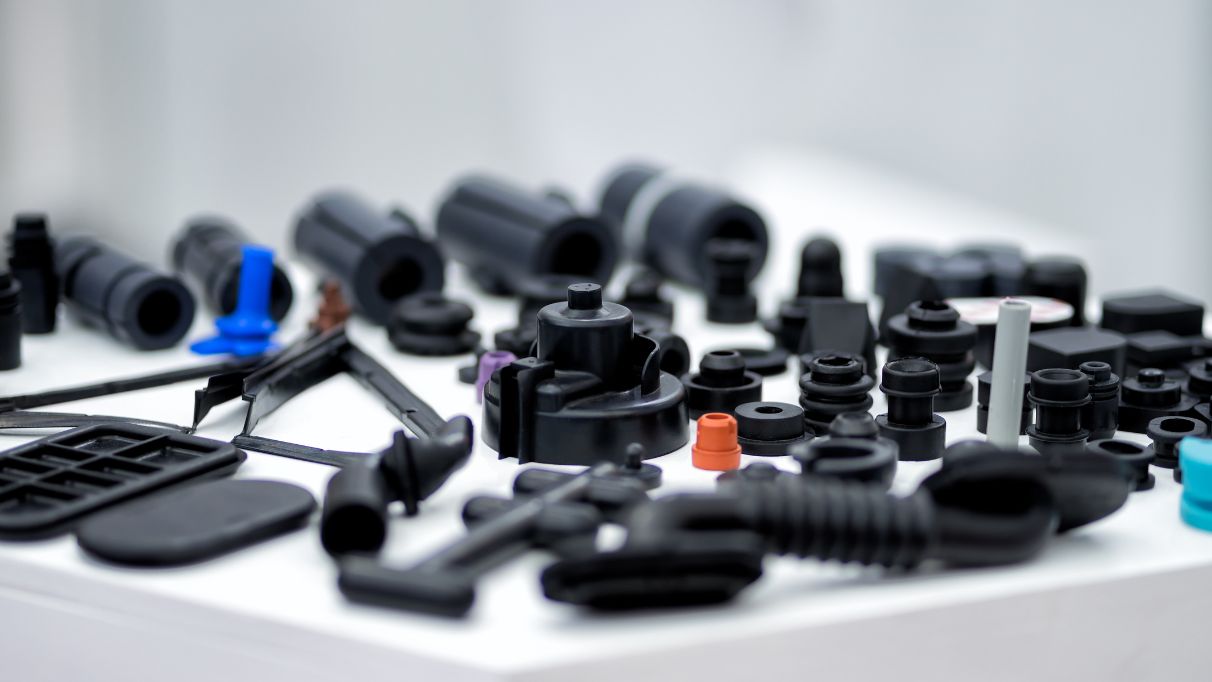
Bolehkah anda huraikan pelbagai bahan yang boleh digunakan untuk pengacuan suntikan?
Pengacuan suntikan menawarkan pelbagai jenis bahan yang boleh digunakan untuk menghasilkan bahagian dengan pelbagai sifat dan ciri. Pemilihan bahan bergantung pada keperluan khusus aplikasi, termasuk sifat mekanikal, rintangan kimia, kestabilan terma, ketelusan dan kos. Berikut ialah penerangan tentang pelbagai bahan yang biasa digunakan untuk pengacuan suntikan:
1. Termoplastik:
Termoplastik merupakan bahan yang paling biasa digunakan dalam pengacuan suntikan kerana fleksibiliti, kemudahan pemprosesan dan kebolehkitar semulanya. Antara termoplastik yang biasa digunakan termasuk:
- Polipropilena (PP): PP ialah termoplastik yang ringan dan fleksibel dengan rintangan kimia yang sangat baik dan kos rendah. Ia digunakan secara meluas dalam alat ganti automotif, pembungkusan, produk pengguna dan peranti perubatan.
- Polietilena (PE): PE ialah termoplastik serba boleh dengan kekuatan hentaman dan rintangan kimia yang sangat baik. Ia digunakan dalam pelbagai aplikasi, termasuk pembungkusan, paip, komponen automotif dan mainan.
- Polistirena (PS): PS ialah termoplastik tegar dan lutsinar dengan kestabilan dimensi yang baik. Ia biasanya digunakan dalam pembungkusan, barangan pengguna dan produk pakai buang.
- Polikarbonat (PC): PC ialah termoplastik lutsinar dan tahan hentaman dengan rintangan haba yang tinggi. Ia menemui aplikasi dalam bahagian automotif, komponen elektronik dan kanta optik.
- Akrilonitril Butadiena Stirena (ABS): ABS ialah termoplastik serba boleh dengan keseimbangan kekuatan, rintangan hentaman dan rintangan haba yang baik. Ia biasanya digunakan dalam alat ganti automotif, penutup elektronik dan produk pengguna.
- Polivinil Klorida (PVC): PVC ialah termoplastik yang tahan lama dan tahan api dengan rintangan kimia yang baik. Ia digunakan dalam pelbagai aplikasi, termasuk pembinaan, penebat elektrik dan tiub perubatan.
- Polietilena Tereftalat (PET): PET ialah termoplastik yang kuat dan ringan dengan sifat kejelasan dan penghalang yang sangat baik. Ia biasanya digunakan dalam pembungkusan, botol minuman dan gentian tekstil.
2. Kejuruteraan Plastik:
Plastik kejuruteraan menawarkan sifat mekanikal, rintangan haba dan kestabilan dimensi yang dipertingkatkan berbanding termoplastik komoditi. Antara plastik kejuruteraan yang biasa digunakan dalam pengacuan suntikan termasuk:
- Poliamida (PA/Nilon): Nilon ialah plastik kejuruteraan yang kuat dan tahan lama dengan rintangan haus yang sangat baik dan sifat geseran yang rendah. Ia digunakan dalam komponen automotif, penyambung elektrik dan aplikasi perindustrian.
- Polikarbonat (PC): PC, yang disebut sebelum ini, juga dianggap sebagai plastik kejuruteraan kerana rintangan hentaman yang luar biasa dan prestasi suhu tinggi.
- Polioksimetilena (POM/Asetal): POM ialah plastik kejuruteraan berkekuatan tinggi dengan geseran rendah dan kestabilan dimensi yang sangat baik. Ia menemui aplikasi dalam gear, galas dan komponen mekanikal jitu.
- Polifenilena Sulfida (PPS): PPS ialah plastik kejuruteraan berprestasi tinggi dengan rintangan kimia dan kestabilan terma yang sangat baik. Ia digunakan dalam komponen elektrik dan elektronik, bahagian automotif dan aplikasi perindustrian.
- Polieterketon (PEEK): PEEK ialah plastik kejuruteraan berprestasi tinggi dengan rintangan haba, rintangan kimia dan sifat mekanikal yang luar biasa. Ia biasanya digunakan dalam aplikasi aeroangkasa, perubatan dan perindustrian.
3. Plastik Termoset:
Plastik termoset menjalani proses pengikatan silang kimia semasa pengacuan, menghasilkan bahan yang tegar dan tahan haba. Antara plastik termoset yang biasa digunakan dalam pengacuan suntikan termasuk:
- Epoksi: Resin epoksi menawarkan rintangan kimia dan sifat mekanikal yang sangat baik. Ia biasanya digunakan dalam komponen elektrik, pelekat dan salutan.
- Fenolik: Resin fenolik dikenali kerana rintangan haba dan sifat penebat elektriknya yang sangat baik. Ia menemui aplikasi dalam suis elektrik, alat ganti automotif dan barangan pengguna.
- Urea-formaldehid (UF) dan Melamina-formaldehid (MF): Resin UF dan MF digunakan untuk membentuk komponen elektrik, peralatan dapur dan lamina hiasan.
4. Elastomer:
Elastomer, juga dikenali sebagai bahan seperti getah, digunakan untuk menghasilkan bahagian yang fleksibel dan elastik. Ia memberikan daya tahan, ketahanan dan sifat pengedap yang sangat baik. Antara elastomer yang biasa digunakan dalam pengacuan suntikan termasuk:
- Elastomer Termoplastik (TPE): TPE ialah kelas bahan yang menggabungkan ciri-ciri getah dan plastik. Ia menawarkan fleksibiliti, set mampatan yang baik dan kemudahan pemprosesan. TPE menemui aplikasi dalam komponen automotif, produk pengguna dan peranti perubatan.
- Silikon: Elastomer silikon memberikan rintangan haba, penebat elektrik dan biokeserasian yang sangat baik. Ia biasanya digunakan dalam peranti perubatan, pengedap automotif dan produk isi rumah.
- Getah Stirena Butadiena (SBR): SBR ialah elastomer sintetik dengan rintangan lelasan yang baik dan fleksibiliti suhu rendah. Ia digunakan dalam tayar, gasket dan tali sawat.
- Monomer Etilena Propilena Diena (EPDM): EPDM ialah elastomer tahan lama dengan rintangan cuaca dan rintangan kimia yang sangat baik. Ia menemui aplikasi dalam pengedap automotif, jalur cuaca dan membran bumbung.
5. Komposit:
Acuan suntikan juga boleh digunakan untuk menghasilkan bahagian yang diperbuat daripada bahan komposit, yang menggabungkan dua atau lebih jenis bahan yang berbeza untuk mencapai sifat tertentu. Bahan komposit yang biasa digunakan dalam pengacuan suntikan termasuk:
- Plastik Bertetulang Gentian Kaca (GFRP): GFRP menggabungkan gentian kaca dengan termoplastik atau resin termoset untuk meningkatkan kekuatan mekanikal, kekakuan dan kestabilan dimensi. Ia digunakan dalam komponen automotif, penutup elektrik dan barangan sukan.
- Plastik Bertetulang Serat Karbon (CFRP): CFRP menggabungkan gentian karbon dengan resin termoset untuk menghasilkan bahagian dengan kekuatan, kekakuan dan sifat ringan yang luar biasa. Ia biasanya digunakan dalam aeroangkasa, automotif dan peralatan sukan berprestasi tinggi.
- Plastik Berisi Logam: Plastik berisi logam menggabungkan zarah atau gentian logam ke dalam termoplastik untuk mencapai sifat seperti kekonduksian, perisai elektromagnet atau peningkatan berat dan rasa. Ia digunakan dalam penyambung elektrik, komponen automotif dan elektronik pengguna.
Ini hanyalah beberapa contoh bahan yang digunakan dalam pengacuan suntikan. Terdapat banyak bahan khusus lain yang tersedia, setiap satunya dengan sifat uniknya sendiri, seperti kalis api, geseran rendah, rintangan kimia atau pensijilan khusus untuk aplikasi perubatan atau sentuhan makanan. Pemilihan bahan bergantung pada prestasi yang diingini, pertimbangan kos dan keperluan kawal selia aplikasi khusus.


editor by Dream 2024-05-13