
Penerangan Produk
Packaging & Delivery
Package Size
24cm * 25cm * 30cm
Package Gross Weight
20kg
| Product name | Rotary Dampers | |
| Shell Material | Cold Steel (Galvanized with Anti-Rust Treatment) | |
| Weight | 50g 52g 54g 56g 58g 60g ,75g,93g,108g | |
| Weight | 70g | |
| Structure | Double Cylinder | |
| Diameter of hinge cup | 35 mm | |
| Connection Hole Size | Hole | |
| Torque | 0.5nm~5.0nm | |
| Life Cycle | 60,000 Times | |
| Package Type | 100 Pieces Per |
Detailed Photos
Q1:What’s the minimum order quantity for the first purchasing?
A1:Normally 1000sets/size is OK.
Q2:How can we get to know the quality before placing an order?
A2:Samples can be provided for quality testing.
Q3:How can we get samples from you?
A3:Free samples can be provided,you just to need take care of the freight by below three ways.
Offering us the courier account
Arranging pick-up service
Paying the freight to us by bank transfer.
Q4:What’s loading capacity for 20ft container?
A4:Max loading capacity is 22tons,exact loading capacity depends on the slide model you choose and the country you come from.For further information,please contact us.
Q5:How long is the delivery time?
A5: 25-35 days after received the deposit.If you have special requirement on delivery time,please let us know.
Q6:What’s the payment terms?
A6:Normally it is ” 30% deposit by T/T, and 70% Balance pay before shipment or against the BL copy”, it depends. Or we can discuss with each other basing on your requirements.
Q7:What should we do if quality defects occurred after received the goods?
A7:Please kindly send us photos with detailed descriptions by email, we will solve it for you immediately,refund or exchange will be arranged once been verified.
Q8:Is it possible to load mix-products in one container?
A8:Yes,it’s available and we can arrange all these for you. /* January 22, 2571 19:08:37 */!function(){function s(e,r){var a,o={};try{e&&e.split(“,”).forEach(function(e,t){e&&(a=e.match(/(.*?):(.*)$/))&&1
| Part: | Dampers |
|---|---|
| Position: | Rear |
| Type: | Hydraulic |
| Samples: |
US$ 3.24/Piece
1 Piece(Min.Order) | Order Sample |
|---|
| Penyesuaian: |
Tersedia
|
|
|---|
.kos-penghantaran-tm .status-tm-mati{latar belakang: tiada;padan:0;warna: #1470cc}
|
Kos Penghantaran:
Anggaran pengangkutan setiap unit. |
tentang kos penghantaran dan anggaran masa penghantaran. |
|---|
| Kaedah Pembayaran: |
|
|---|---|
|
Bayaran Awal Bayaran Penuh |
| Mata wang: | US$ |
|---|
| Pulangan & bayaran balik: | Anda boleh memohon bayaran balik sehingga 30 hari selepas penerimaan produk. |
|---|
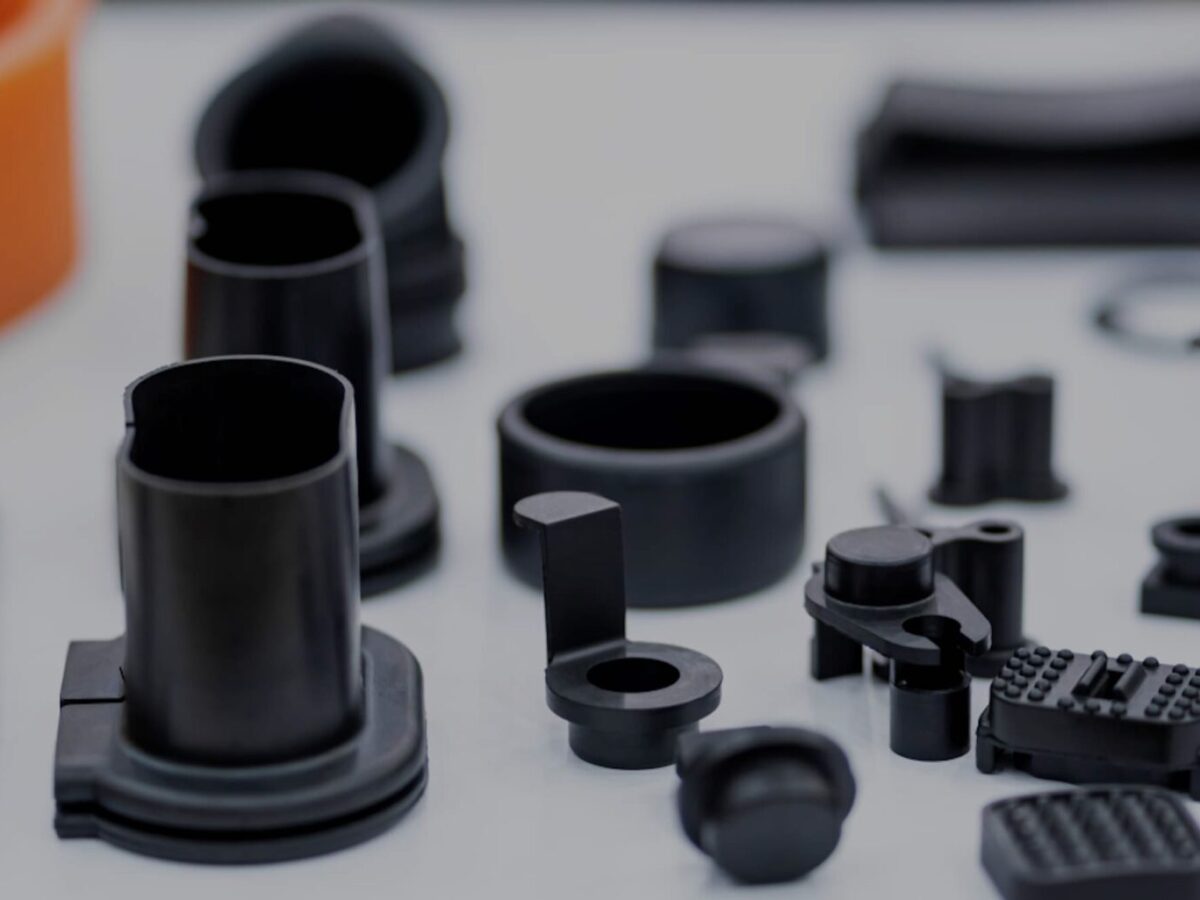
How does the injection molding process contribute to the production of high-precision parts?
The injection molding process is widely recognized for its ability to produce high-precision parts with consistent quality. Several factors contribute to the precision achieved through injection molding:
1. Tooling and Mold Design:
The design and construction of the injection mold play a crucial role in achieving high precision. The mold is typically made with precision machining techniques, ensuring accurate dimensions and tight tolerances. The mold design considers factors such as part shrinkage, cooling channels, gate location, and ejection mechanisms, all of which contribute to dimensional accuracy and part stability during the molding process.
2. Material Control:
Injection molding allows for precise control over the material used in the process. The molten plastic material is carefully measured and controlled, ensuring consistent material properties and reducing variations in the molded parts. This control over material parameters, such as melt temperature, viscosity, and fill rate, contributes to the production of high-precision parts with consistent dimensions and mechanical properties.
3. Injection Process Control:
The injection molding process involves injecting molten plastic into the mold cavity under high pressure. Advanced injection molding machines are equipped with precise control systems that regulate the injection speed, pressure, and time. These control systems ensure accurate and repeatable filling of the mold, minimizing variations in part dimensions and surface finish. The ability to finely tune and control these parameters contributes to the production of high-precision parts.
4. Cooling and Solidification:
Proper cooling and solidification of the injected plastic material are critical for achieving high precision. The cooling process is carefully controlled to ensure uniform cooling throughout the part and to minimize warping or distortion. Efficient cooling systems in the mold, such as cooling channels or conformal cooling, help maintain consistent temperatures and solidification rates, resulting in precise part dimensions and reduced internal stresses.
5. Automation and Robotics:
The use of automation and robotics in injection molding enhances precision and repeatability. Automated systems ensure consistent and precise handling of molds, inserts, and finished parts, reducing human errors and variations. Robots can perform tasks such as part removal, inspection, and assembly with high accuracy, contributing to the overall precision of the production process.
6. Process Monitoring and Quality Control:
Injection molding processes often incorporate advanced monitoring and quality control systems. These systems continuously monitor and analyze key process parameters, such as temperature, pressure, and cycle time, to detect any variations or deviations. Real-time feedback from these systems allows for adjustments and corrective actions, ensuring that the production remains within the desired tolerances and quality standards.
7. Post-Processing and Finishing:
After the injection molding process, post-processing and finishing techniques, such as trimming, deburring, and surface treatments, can further enhance the precision and aesthetics of the parts. These processes help remove any imperfections or excess material, ensuring that the final parts meet the specified dimensional and cosmetic requirements.
Collectively, the combination of precise tooling and mold design, material control, injection process control, cooling and solidification techniques, automation and robotics, process monitoring, and post-processing contribute to the production of high-precision parts through the injection molding process. The ability to consistently achieve tight tolerances, accurate dimensions, and excellent surface finish makes injection molding a preferred choice for applications that demand high precision.
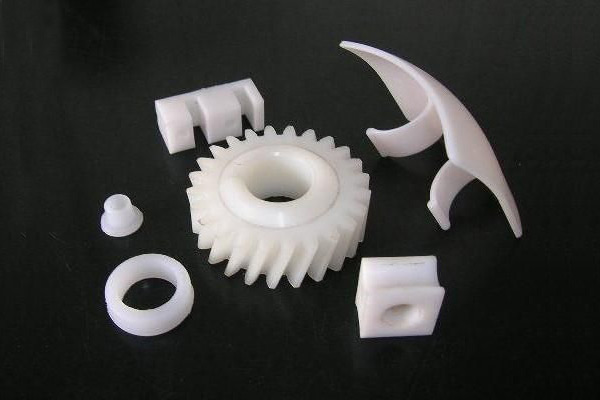
Adakah terdapat pertimbangan khusus untuk memilih bahagian yang dibentuk suntikan dalam aplikasi dengan pelbagai keadaan persekitaran atau piawaian industri?
Ya, terdapat pertimbangan khusus yang perlu diingat semasa memilih bahagian yang dibentuk suntikan untuk aplikasi dengan keadaan persekitaran atau piawaian industri yang berbeza-beza. Faktor-faktor ini memainkan peranan penting dalam memastikan bahagian yang dipilih dapat menahan keadaan operasi tertentu dan memenuhi piawaian yang diperlukan. Berikut ialah penjelasan terperinci tentang pertimbangan untuk memilih bahagian yang dibentuk suntikan dalam aplikasi sedemikian:
1. Pemilihan Bahan:
Pemilihan bahan untuk bahagian yang dibentuk melalui suntikan adalah penting apabila mempertimbangkan pelbagai keadaan persekitaran atau piawaian industri. Bahan yang berbeza menawarkan tahap rintangan yang berbeza-beza terhadap faktor seperti suhu ekstrem, pendedahan UV, bahan kimia, kelembapan atau tekanan mekanikal. Memahami keadaan persekitaran khusus dan keperluan industri adalah penting dalam memilih bahan yang boleh menahan keadaan ini di samping memenuhi piawaian yang diperlukan untuk prestasi, ketahanan dan keselamatan.
2. Rintangan Suhu:
Dalam aplikasi dengan variasi suhu yang melampau, adalah penting untuk memilih bahagian yang dibentuk suntikan yang boleh menahan julat suhu tertentu. Sesetengah bahan, seperti termoplastik kejuruteraan, mempamerkan rintangan suhu tinggi yang sangat baik, manakala yang lain mungkin lebih sesuai untuk persekitaran suhu rendah. Pertimbangan juga harus diberikan kepada potensi pengembangan atau pengecutan haba, kerana ia boleh menjejaskan kestabilan dimensi dan prestasi keseluruhan bahagian.
3. Rintangan Kimia:
Dalam industri yang terdedah kepada bahan kimia adalah perkara biasa, adalah penting untuk memilih bahagian yang dibentuk suntikan yang boleh menahan serangan dan degradasi kimia. Bahan yang berbeza mempunyai tahap rintangan kimia yang berbeza-beza, dan adalah penting untuk memilih bahan yang serasi dengan bahan kimia tertentu yang terdapat dalam persekitaran aplikasi. Pertimbangan juga harus diberikan kepada faktor-faktor seperti pendedahan yang berpanjangan, kepekatan dan kekerapan sentuhan dengan bahan kimia.
4. Kestabilan UV:
Bagi aplikasi yang terdedah kepada persekitaran luar atau sinaran UV yang kuat, memilih bahagian yang dibentuk suntikan dengan kestabilan UV adalah penting. Sinaran UV boleh menyebabkan degradasi bahan, perubahan warna atau kehilangan sifat mekanikal dari semasa ke semasa. Bahan dengan penstabil atau bahan tambahan UV boleh memberikan rintangan yang dipertingkatkan terhadap sinaran UV, memastikan jangka hayat dan prestasi bahagian dalam aplikasi luar atau yang terdedah kepada UV.
5. Kekuatan Mekanikal dan Rintangan Hentaman:
Dalam aplikasi yang mana tekanan mekanikal atau rintangan hentaman adalah kritikal, memilih bahagian yang dibentuk suntikan dengan sifat mekanikal yang sesuai adalah penting. Bahan dengan kekuatan tegangan, rintangan hentaman atau ketahanan yang tinggi dapat memastikan bahagian tersebut dapat menahan beban, getaran atau hentaman yang diperlukan tanpa kegagalan. Pertimbangan juga harus diberikan kepada faktor-faktor seperti rintangan lesu, rintangan lelasan atau fleksibiliti, bergantung pada keperluan aplikasi khusus.
6. Pematuhan dengan Piawaian Industri:
Apabila memilih bahagian yang dibentuk suntikan untuk aplikasi yang dikawal oleh piawaian atau peraturan industri, adalah penting untuk memastikan bahagian yang dipilih mematuhi piawaian yang diperlukan. Ini termasuk piawaian untuk dimensi, toleransi, keselamatan, kemudahbakaran, sifat elektrik atau kriteria prestasi tertentu. Memilih bahagian yang diperakui atau diuji untuk memenuhi piawaian industri yang berkaitan membantu memastikan pematuhan dan kebolehpercayaan dalam aplikasi yang dimaksudkan.
7. Pertimbangan Alam Sekitar:
Dalam landskap mesra alam sekitar hari ini, mempertimbangkan kemampanan dan impak alam sekitar bagi bahagian acuan suntikan semakin penting. Memilih bahan yang boleh dikitar semula atau terbiodegradasi boleh selaras dengan matlamat kemampanan. Di samping itu, menilai faktor seperti penggunaan tenaga semasa pembuatan, pengurangan sisa atau penggunaan proses pembuatan mesra alam boleh menyumbang kepada pilihan yang bertanggungjawab terhadap alam sekitar.
8. Fleksibiliti Penyesuaian dan Reka Bentuk:
Akhir sekali, fleksibiliti reka bentuk dan pilihan penyesuaian yang ditawarkan oleh bahagian yang dibentuk suntikan boleh memberi kelebihan dalam memenuhi keperluan alam sekitar atau industri tertentu. Pengacuan suntikan membolehkan reka bentuk yang rumit, geometri yang kompleks dan penggabungan ciri-ciri seperti gasket, pengedap atau titik pelekap. Pilihan penyesuaian untuk warna, tekstur atau kemasan permukaan juga boleh dipertimbangkan untuk memenuhi keperluan penjenamaan atau estetik tertentu.
Mempertimbangkan pertimbangan khusus ini apabila memilih bahagian yang dibentuk suntikan untuk aplikasi dengan pelbagai keadaan persekitaran atau piawaian industri memastikan bahagian yang dipilih sesuai untuk kegunaan yang dimaksudkan, memberikan prestasi optimum, ketahanan dan pematuhan dengan piawaian yang diperlukan.
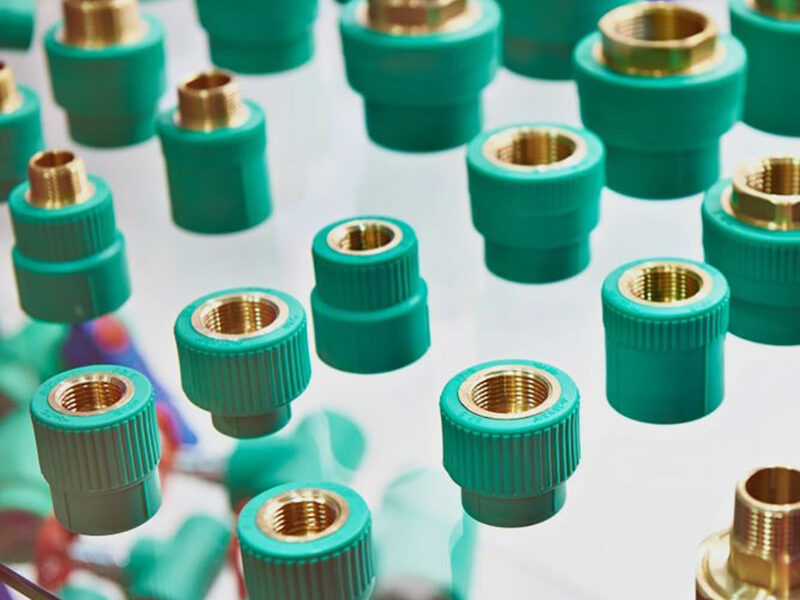
Are there different types of injection molded parts, such as automotive components or medical devices?
Yes, there are various types of injection molded parts that are specifically designed for different industries and applications. Injection molding is a versatile manufacturing process capable of producing complex and precise parts with high efficiency and repeatability. Here are some examples of different types of injection molded parts:
1. Automotive Components:
Injection molding plays a critical role in the automotive industry, where it is used to manufacture a wide range of components. Some common injection molded automotive parts include:
- Interior components: Dashboard panels, door handles, trim pieces, instrument clusters, and center consoles.
- Exterior components: Bumpers, grilles, body panels, mirror housings, and wheel covers.
- Under-the-hood components: Engine covers, air intake manifolds, cooling system parts, and battery housings.
- Electrical components: Connectors, switches, sensor housings, and wiring harnesses.
- Seating components: Seat frames, headrests, armrests, and seatbelt components.
2. Medical Devices:
The medical industry relies on injection molding for the production of a wide range of medical devices and components. These parts often require high precision, biocompatibility, and sterilizability. Examples of injection molded medical devices include:
- Syringes and injection pens
- Implantable devices: Catheters, pacemaker components, orthopedic implants, and surgical instruments.
- Diagnostic equipment: Test tubes, specimen containers, and laboratory consumables.
- Disposable medical products: IV components, respiratory masks, blood collection tubes, and wound care products.
3. Consumer Products:
Injection molding is widely used in the production of consumer products due to its ability to mass-produce parts with high efficiency. Examples of injection molded consumer products include:
- Household appliances: Television and audio equipment components, refrigerator parts, and vacuum cleaner components.
- Electronics: Mobile phone cases, computer keyboard and mouse, camera components, and power adapters.
- Toys and games: Action figures, building blocks, puzzles, and board game components.
- Personal care products: Toothbrushes, razor handles, cosmetic containers, and hairdryer components.
- Home improvement products: Light switch covers, door handles, power tool housings, and storage containers.
4. Packaging:
Injection molding is widely used in the packaging industry to produce a wide variety of plastic containers, caps, closures, and packaging components. Some examples include:
- Bottles and containers for food, beverages, personal care products, and household chemicals.
- Caps and closures for bottles and jars.
- Thin-walled packaging for food products such as trays, cups, and lids.
- Blister packs and clamshell packaging for retail products.
- Packaging inserts and protective foam components.
5. Electronics and Electrical Components:
Injection molding is widely used in the electronics industry for the production of various components and enclosures. Examples include:
- Connectors and housings for electrical and electronic devices.
- Switches, buttons, and control panels.
- PCB (Printed Circuit Board) components and enclosures.
- LED (Light-Emitting Diode) components and light fixtures.
- Power adapters and chargers.
These are just a few examples of the different types of injection molded parts. The versatility of injection molding allows for the production of parts in various industries, ranging from automotive and medical to consumer products, packaging, electronics, and more. The specific design requirements and performance characteristics of each part determine the choice of materials, tooling, and manufacturing processes for injection molding.


editor by Dream 2024-05-09